High Protein, Low Sugar: Formulating for the Protein-Forward Shopper
Less sugar and more protein are the two biggest reformulation pressures in food right now, and they fight each other at the bench. A sweet protein is unusually well suited to both, because it is a protein that carries sweetness.

Market and formulation: protein
Two demands are reshaping product development at the same time: less sugar and more protein. They are not separate trends to a shopper. They are one expectation, more protein and less sugar in the same pack, and it is landing hardest in shakes, bars, snacks and high-protein dairy.
The numbers behind it are large. A KFF poll found roughly one in eight US adults now say they currently take a GLP-1 medication, and those shoppers are buying differently. Market researcher Tastewise reported that high-protein items on US restaurant menus roughly doubled in the year to August 2026, and that GLP-1 consumers engage with high-protein snacks about three and a half times more than the average shopper. Future Market Insights projects the GLP-1 diet food market at about 3.1 billion dollars in 2026, growing near 17% a year, with high-protein positioning making up close to a third of it. Whatever the exact figure, the direction is not in doubt.
The short version
Less sugar and more protein pull against each other at the bench, because higher protein brings more bitterness and astringency while high-intensity sweeteners bring their own bitter edge. UnSugar Sweet Protein is a sweet protein: it is 1,000 times sweeter than sugar, dosed in milligrams, adds no sugars, and gives a clean, sugar-like sweetness that rounds out protein and stevia off-notes. It fits the protein story and the sugar line at once.
Two pressures, one product
For years, "better for you" meant one thing at a time: a little less sugar, or a little more protein. The protein-forward shopper wants both, in the same product, without a compromise on taste. That is a harder brief than either pressure alone, and it is why so many high-protein launches taste like a compromise.
A note on the market context. The shift is real, and GLP-1 use is part of what is driving it, but this is a category and recipe story, not a medical one. We make no appetite, weight, metabolic or medical claims for UnSugar Sweet Protein. What we can say is narrow and useful: it helps a protein-forward product taste good with less added sugar.
Why protein and low sugar fight each other at the bench

Here is the collision. As you push protein higher, bitterness and astringency get louder, and whey, pea and soy each bring their own off-notes. The usual way to cover that is sugar, which rounds the bitterness and adds body. So when the same brief also says cut the sugar, you lose the very thing that was masking the protein.
Teams then reach for a high-intensity sweetener to put the sweetness back, and many of those bring a bitter or metallic tail of their own. Now you are stacking one bitter note on another. That is the taste gap that stalls high-protein, low-sugar projects, and it is a sweetness-quality problem, not a sweetness-quantity one.
Why a sweet protein fits this exact problem
UnSugar Sweet Protein is a sweet protein, a protein that tastes intensely sweet, and that is why it fits a protein-forward product so naturally.
- It is a protein. It is dosed in milligrams, adds no sugars, and sits comfortably inside a product whose whole story is protein.
- Its sweetness is clean. It reads as sugar-like and finishes without a bitter or metallic tail, so it does not add a new off-note to cover.
- It rounds out the others. In a blend it softens the lingering notes of protein and of stevia or monk fruit, which is the opposite of what a second high-intensity sweetener does.
In practice that means you can keep the protein high, take the added sugar down, and still pass a blind taste test. For the deeper reasoning on why a protein sweetener behaves differently from a sugar on the label and the panel, see why a protein sweetener changes the label.
Where it goes: shakes, bars and high-protein dairy

The fit is strongest exactly where the protein-and-sugar collision is loudest:
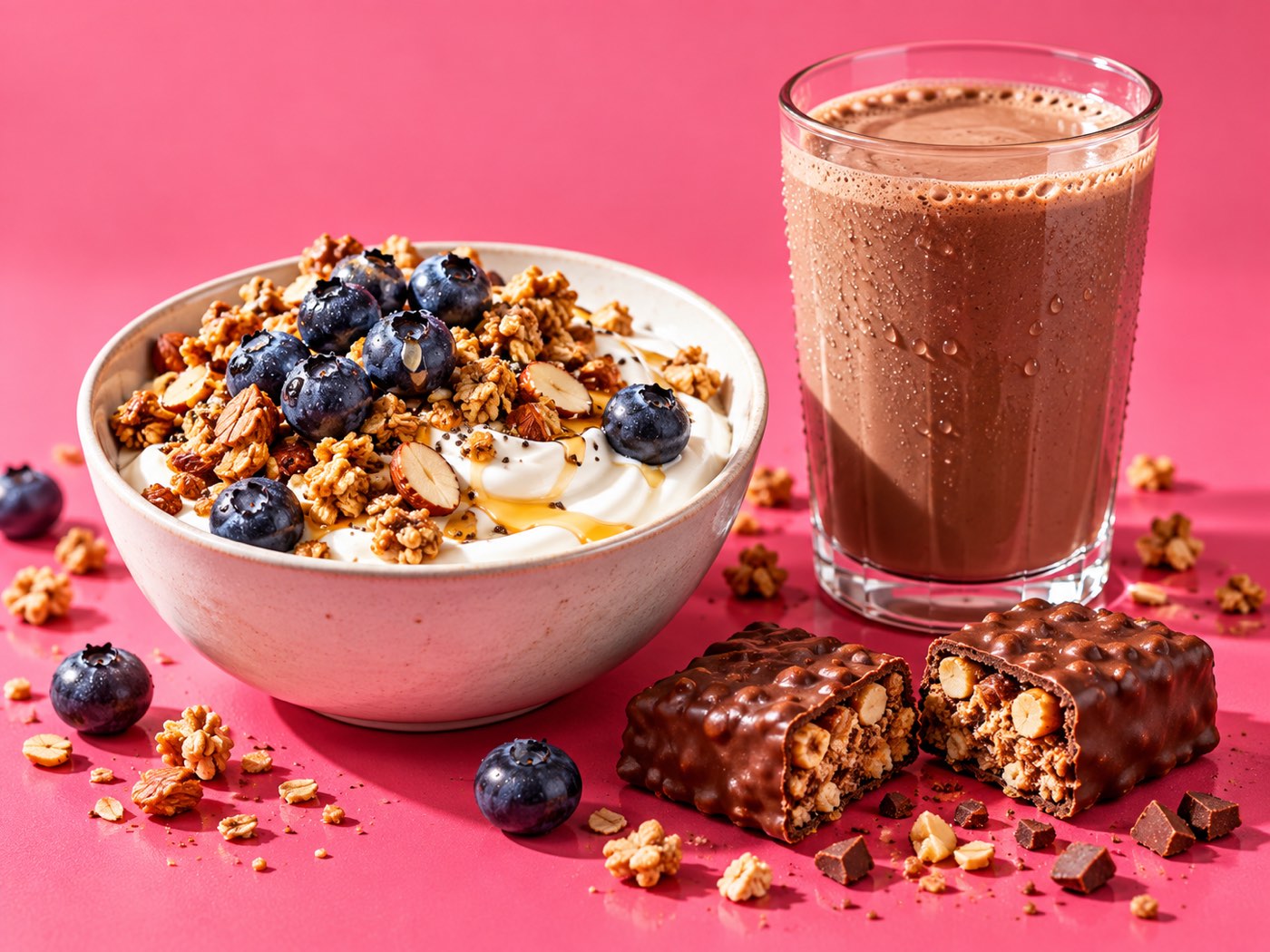
- Ready-to-drink shakes and powders. A clean sweetness on top of the protein, with the sugar line pulled down. Our whey protein mix starter runs this play at about 1.2 grams of sugar per 100 mL.
- Bars and bites. Sweetness from the sweet protein, with the bulk and chew rebuilt by the rest of the formula. See the protein-forward nutrition bar.
- High-protein dairy. Flavored milks and drinkable yogurts pushing protein up, where a clean sweetness covers the rising bitterness better than sugar did.
- Hydration and recovery drinks, where protein, electrolytes and a clean finish all have to coexist. More on that in low-sugar electrolyte drinks.
A worked starting point

Start from a 65/35 blend: 65% of the sweetness from UnSugar Sweet Protein and 35% from the sweetener you use today. The existing sweetener gives the fast front sweetness, the sweet protein carries a clean finish and covers the protein off-notes.
The dose is small and the math is simple. The sweet protein is 1,000 times sweeter than sugar, so 1 gram of powder does the sweetening work of 1 kilogram of sugar, and 1 mL of the liquid replaces the sweetness of 50 g of sugar. Hold the protein, flavor and electrolytes where they are, change only the sweetener system, and taste the result blind against your current product. Our applications team confirms the exact dose for your formula.
The label and claims line
A sweet protein adds one short line to your ingredient statement and no sugars to the panel, which supports a cleaner label and a protein-forward front of pack. What it does not do is turn a food into a health product. Any on-pack wording, from "no added sugar" to protein content claims, belongs with your regulatory team, and we make no health, appetite, weight or metabolic claims for the ingredient. The value is simple and honest: a protein-forward product that tastes good with less sugar.
Formulate high protein and low sugar together
Samples are free for qualified food and beverage teams: a 100 mL liquid bottle or powder packets of 1 g, 2 g or 10 g, with a sample guide and dosing help. One gram of powder can replace up to about 1 kg of sugar.
Quick answers
Why is it hard to make a product both high in protein and low in sugar? Higher protein brings more bitterness and astringency, and sugar was covering it. Cut the sugar and the off-notes show, and a high-intensity sweetener often adds its own bitter edge. A clean sweetness is the fix.
How does a sweet protein help? UnSugar Sweet Protein is a protein that tastes sweet, dosed in milligrams. It adds a clean, sugar-like sweetness with no bitter tail, and in a blend it rounds out protein and stevia off-notes rather than adding to them.
Does it add sugar or carbohydrate to the panel? No. It is used at milligram levels and adds no sugars, which is why it fits a protein-forward, low-sugar product.
Where does it work best? Shakes, powders, bars, high-protein dairy and recovery drinks, anywhere the protein and the sugar line are both under pressure. Start with a sample and a 65/35 blend.
Does UnSugar make any health or weight claims? No. This is a taste and formulation story. We make no health, appetite, weight, metabolic or glycemic claims for UnSugar Sweet Protein.
About UnSugar
UnSugar Sweet Protein is a sweet-protein ingredient that helps US food and beverage teams cut sugar while keeping the taste. It is 1,000 times sweeter than sugar and replaces 60 to 90% of the sugar in suitable formulations. UnSugar Sweet Protein is self-affirmed GRAS for its intended use in food and beverage, and a GRAS Notice has been submitted to the U.S. FDA and assigned GRN 1338, with the no-questions response awaited. Contact sales@goUnSugar.com.
Market figures are from third-party research cited for context only. Reduction figures and doses are formulation targets, confirmed by bench testing in your own product. Performance and labeling depend on the finished formulation, use level, market and applicable regulations; confirm any on-pack wording with your regulatory team. We make no health, glycemic, appetite, weight or metabolic claims for UnSugar Sweet Protein.
Want to taste it in your product?
Request samples and the technical spec, and our team will help you plan the evaluation.
Request Samples →