
What are sweet proteins?
Sweet proteins are proteins that taste sweet. They can deliver intense sweetness at very low use levels, giving formulators another tool for reducing sugar and improving sweetener systems. They activate the same sweet-taste receptor sugar does, but because they are proteins, they do not perform sugar’s bulk, texture or browning roles.

What matters when you formulate with it.
How sweet proteins create sweetness
Sweetness starts on the tongue. We taste sweet through one sweet-taste sensor, and anything that fits it and switches it on registers as sweet. Sugar does this. So do certain proteins whose shape happens to fit the same sensor. That is the whole trick, and it is why so little is needed: the sensor picks up the protein at levels far below what a bulk sweetener requires.
The practical consequence for a formulator is that sweetness stops being tied to mass. A sweet protein contributes taste, not solids. Everything sugar was also doing in the background, providing body, feeding browning, holding water, has to come from somewhere else. That reframing, from ingredient-for-ingredient swap to designing the sweetness layer separately from the structure layer, is the single most useful mental model when working with this class.
Where the sweetness comes from
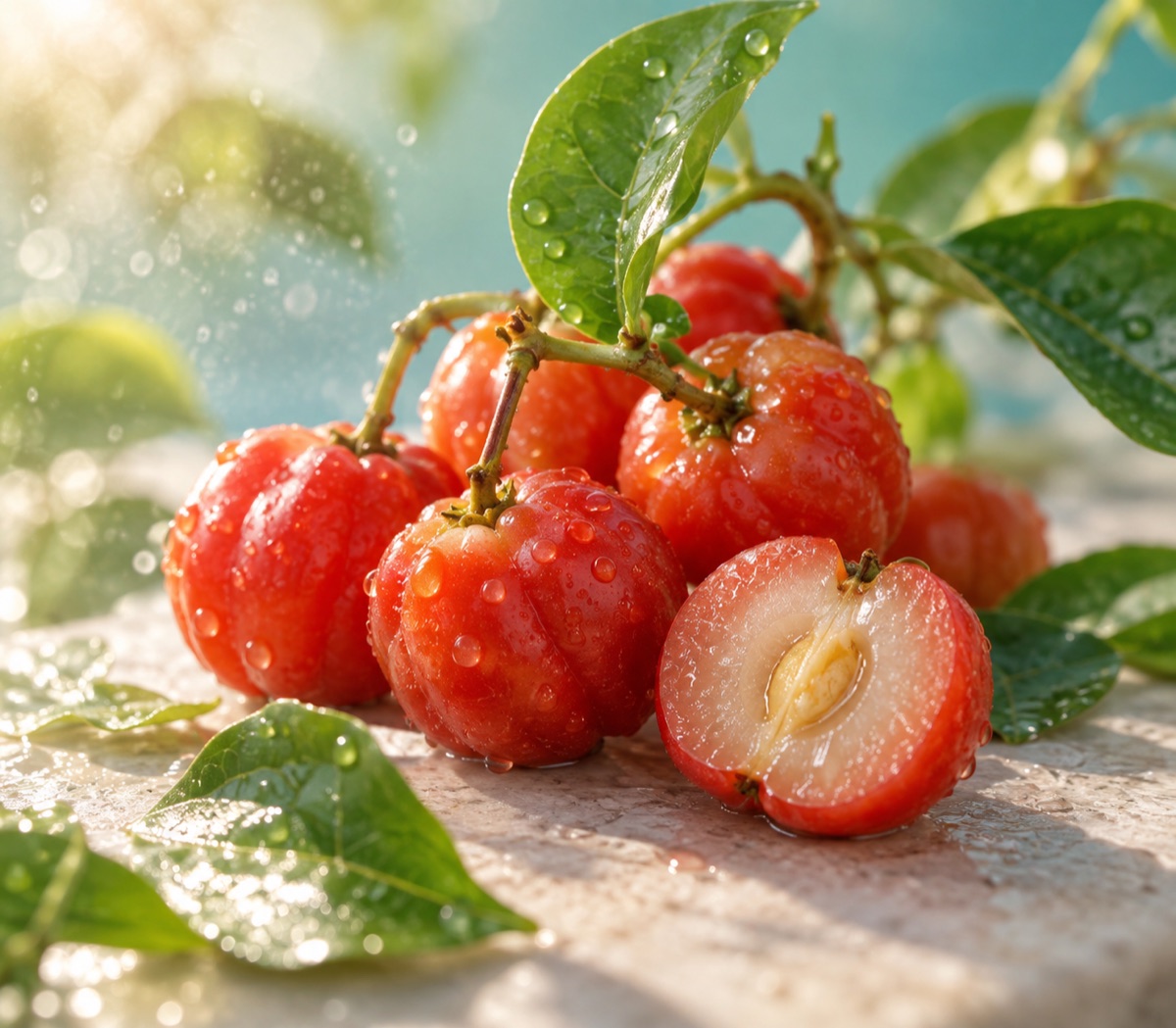
UnSugar is a plant-based sweet protein, the same kind of sweetness some fruits make. It is GMO-free. Because it is stable through heat and across a wide pH range, it works in real food and drink, from a low-pH soda to a pasteurized dairy drink, and its supply is steady and consistent rather than tied to a harvest or a single growing region.
Why formulators are paying attention
- Intensifying pressure to reduce added sugar across whole product portfolios, driven by labeling, dietary guidance and shopper habits.
- Demand for better-tasting alternatives to legacy high-intensity sweeteners, whose off-notes cap how far a cut can go.
- Interest in protein, plant-based sweetness and next-generation food innovation as a brand story, not just a technical one.
- A need for high-impact ingredients that work at low use levels, keeping the rest of the formula free for other work.
- The potential to strengthen an existing sweetness system rather than tear it out and replace every component.
What sweet proteins do not do
This is the part worth being blunt about, because it is where projects succeed or stall. Sugar is a structural ingredient as much as a sweet one. It provides bulk and solids, drives the browning that gives baked goods their crust, holds moisture, controls freezing point in frozen desserts, feeds yeast in dough and lowers water activity to help preserve a product. A sweet protein contributes sweetness. In a beverage that is most of the job, which is why drinks are the friendliest category. In a chocolate or a cookie it is a fraction of the job, and the rest of the formulation has to be rebuilt with bulking agents, fibers, humectants or process changes.
A sweet protein is a sweetness tool, not a sugar substitute. Teams that treat it as the former get results faster.
Understood that way, the ingredient is neither over-hyped nor disappointing. It is a precise, powerful answer to one specific job, and a poor answer to jobs it was never meant to do. The teams that move quickest are the ones who map every job sugar was doing before they change a single line of the formula.
Curious? Taste it on your own bench.
Tell us what you’re building. We’ll send a sample kit, the sample bottle and sample powder, and help you plan the first bench trial.
The questions teams ask us first.
Are sweet proteins the same as protein powder?+
No. They are specific proteins selected for sweet taste and used at far lower levels than conventional nutrition proteins.
Do sweet proteins replace the functional role of sugar?+
Not by themselves. Sugar provides several structural and processing functions, so a successful reduced-sugar formulation may require additional bulking, texture or preservation solutions.
Are all sweet proteins the same?+
No. Different proteins can vary in sweetness profile, process tolerance, regulatory status, cost, supply and application fit.
Can sweet proteins be used with stevia?+
They can be evaluated as part of sweetener systems that include stevia or other high-intensity sweeteners. The final result depends on the specific formulation.