
Reduce sugar without forgetting what sugar does.
In bakery and confectionery, sugar affects far more than taste: bulk, structure, browning, spread, moisture, crystallization and shelf life. UnSugar contributes sweetness; the rest of the system rebuilds the functionality the product still needs.
Permissible indulgence is the whole game now.
Shoppers still want the treat, they just want a lighter sugar line on it. In bakery and confectionery the honest first step is often a meaningful cut rather than zero, and that is exactly where a brand can move.
Reduction depends on the product and requirements, and every number should be confirmed by bench testing in your own recipe.
Where the sweet protein fits.
One job of many. This is UnSugar’s contribution.
In chocolate, sugar is most of the weight. It must be rebuilt.
The golden crust and color of a bake come from sugar reacting with proteins under heat.
Sugar controls how a cookie spreads and how a cake crumbs.
Sugar holds water, keeping baked goods soft over shelf life.
By lowering water activity, sugar helps keep products stable.
What this does for your brand, not just your batch.
A reduced-sugar cookie, bar or chocolate that still reads as an indulgence, with a sugar line shoppers feel good about. Confirm on-pack wording with your regulatory review.
Sweet protein carries the sweetness while allulose rebuilds the bulk and browning, so the bite, snap and color stay close to the original.
A sweet protein, digested like other dietary proteins and used at milligram levels, so it adds no sugars. Full safety and regulatory documentation is ready for your quality and regulatory teams.
Very sweet syrups and confectionery are usually nearer 50%, and structural bakes lower.
A good starting blend takes about 65% of the sweetness from the sweet protein and keeps about 35% from the sweetener you already use.
A worked dose you can follow.
Here is how the dose lands in a real formula, from your sugar target to the amount you actually weigh out.
A little goes a long way. UnSugar is 500 to 2,000 times sweeter than sugar, so you dose it in tiny amounts. Your applications team helps you dial in the exact amount for your product.
Take a dessert syrup at 600 grams of sugar per liter and aim to replace 50%, a sensible ceiling for very sweet syrups and confectionery. That is 300 grams of sugar sweetness to replace, with 300 grams of sugar kept for the body and mouthfeel a syrup needs.
Then taste. Rest the trial about 15 minutes, then taste against your standard.
Watch the bake, not the syrup. A moist syrup is heat-safe. The cases to watch are low-moisture bakes such as biscuits and crackers, where long, hot, dry baking can relax the sweet protein and soften the sweetness. It holds its sweetness up to about 98°C, so it comes through normal baking and processing. For long, dry, high-temperature processes, tell us the temperature, time and moisture and we will advise. Rebuild the bulk with allulose, and get a crisp snap from rice flour or corn starch plus a longer, cooler bake. In chocolate, a fatty low-water system, carry the sweet protein in on a dry or water-containing phase, or use lecithin, so every bite is evenly sweet.
These figures are formulation targets our applications team works to, confirmed in your own product by bench testing.
Heat, pH and the levers to watch.
| What to plan around | UnSugar in bakery & confectionery |
|---|---|
| UnSugar’s role | The sweetness layer, at very low use levels |
| Blend ceiling | Nearer 50% for very sweet syrups and confectionery |
| Must be rebuilt | Bulk (allulose), browning, moisture retention, structure |
| Crisp snap | Rice flour or corn starch plus a longer, cooler bake |
| Heat | Holds its sweetness up to about 98°C; only long, dry, low-moisture bakes need a process check |
| Chocolate | Fatty, low-water: carry it in on a dry or water phase, or use lecithin |
| Use level | Provided in the current technical data sheet. |
| Reality check | This is a system build, not an ingredient swap |
The bar is simple: it still eats like the treat.
We formulate to a reduced-sugar version that holds its own against your full-sugar control on taste and texture. Sugar does more than sweeten in bakery, so we rebuild bulk and browning with allulose and the right partners, cut the sugar step by step, and confirm every number by bench testing in your own recipe.
The category where honesty matters most
Bakery and confectionery is where the difference between a sweetener and a sugar substitute is starkest, and where over-promising does the most damage. In a chocolate bar, sugar can be half the mass of the product. In a cookie, it is driving spread, browning, moisture retention and shelf life at the same time as sweetness. No high-intensity ingredient, however good, can step into all of those roles, and any supplier who implies otherwise is setting a project up to fail. UnSugar contributes the sweetness, cleanly and at very low use levels. Everything else sugar was doing has to be rebuilt deliberately, which is why these categories show the most moderate headline reductions on our planning chart.
What the rebuild actually involves
The bulk that sugar provided is typically replaced with fibers, allulose, sugar alcohols or other bulking agents, each with its own taste, tolerance and labeling consequences. Browning, which comes from sugars reacting with proteins under heat, needs its own strategy, whether that is a reducing sugar retained specifically for color, an adjusted bake, or added protein. Moisture and softness, which sugar held by holding onto water, are managed with moisture-holding ingredients and thickeners. Structure and crystallization, especially in confectionery, may require reworking the whole solids system. This is a formulation project with several moving parts, and it succeeds when the team maps every one of sugar's jobs before changing the recipe, rather than discovering them one failed bake at a time.
Where to start, and where UnSugar earns its keep
The pragmatic entry points are products where sugar is more sweetness than structure: a filling, a coating, a softer bar, a lightly sweetened baked snack. There, UnSugar can carry a large share of the sweetness while the bulking system does less heavy lifting. In these formats it also earns its place by masking the off-notes of the sugar alcohols and high-intensity sweeteners the rebuild introduces, keeping the finished product clean-tasting even as its ingredient list gets more complex. It is a system build, not a swap, and treating it as such from day one is the single biggest predictor of whether a reduced-sugar bakery project reaches the shelf.
Setting expectations before the first trial
Because bakery and confectionery involve the most moving parts, they also benefit most from honest expectation-setting at the outset. A 20 to 30 percent reduction in a cookie or a filled bar is a realistic first milestone that keeps texture and shelf life recognizable; a deeper cut is achievable but implies more of the formula changing and more iterations to get there. Knowing that up front lets a team scope the project properly, brief the sensory panel against the right target, and avoid the trap of judging an early trial against an impossible standard. Our role is to help map that path realistically, share the technical documentation each step needs, and work the bench alongside your developers rather than promise a shortcut that the chemistry of a baked product will not honour.
Tell us the format, the current sweetener system and the reduction target. We will come back with the most useful first evaluation step.
Product types in this category.
The best reduced-sugar system may combine UnSugar with fibers, bulk sweeteners, thickeners, flavors, fats or process changes. We begin with the product target, not with a fixed ingredient formula.
What we need from you.
Product format, current sugar level and its structural role, bake or process conditions, target reduction, texture and shelf-life requirements, and label objective.
Straight answers.
Can UnSugar replace sugar in chocolate?
It can supply the sweetness, but sugar is also most of the mass in chocolate. A reduced-sugar chocolate needs a bulking system alongside the sweetness tool.
Will my cookies still brown?
Browning comes from sugars reacting with proteins under heat. A high-intensity sweetener does not provide that, so a browning strategy is part of the reformulation.
Is UnSugar heat stable through a bake?
Stability information for your process is provided in the current technical data sheet. We recommend confirming performance in your own bake during evaluation.
Bakery & Confectionery recipes to start from.
Reduced-sugar starter formulations in this category, each with the blend and a worked dosing example.
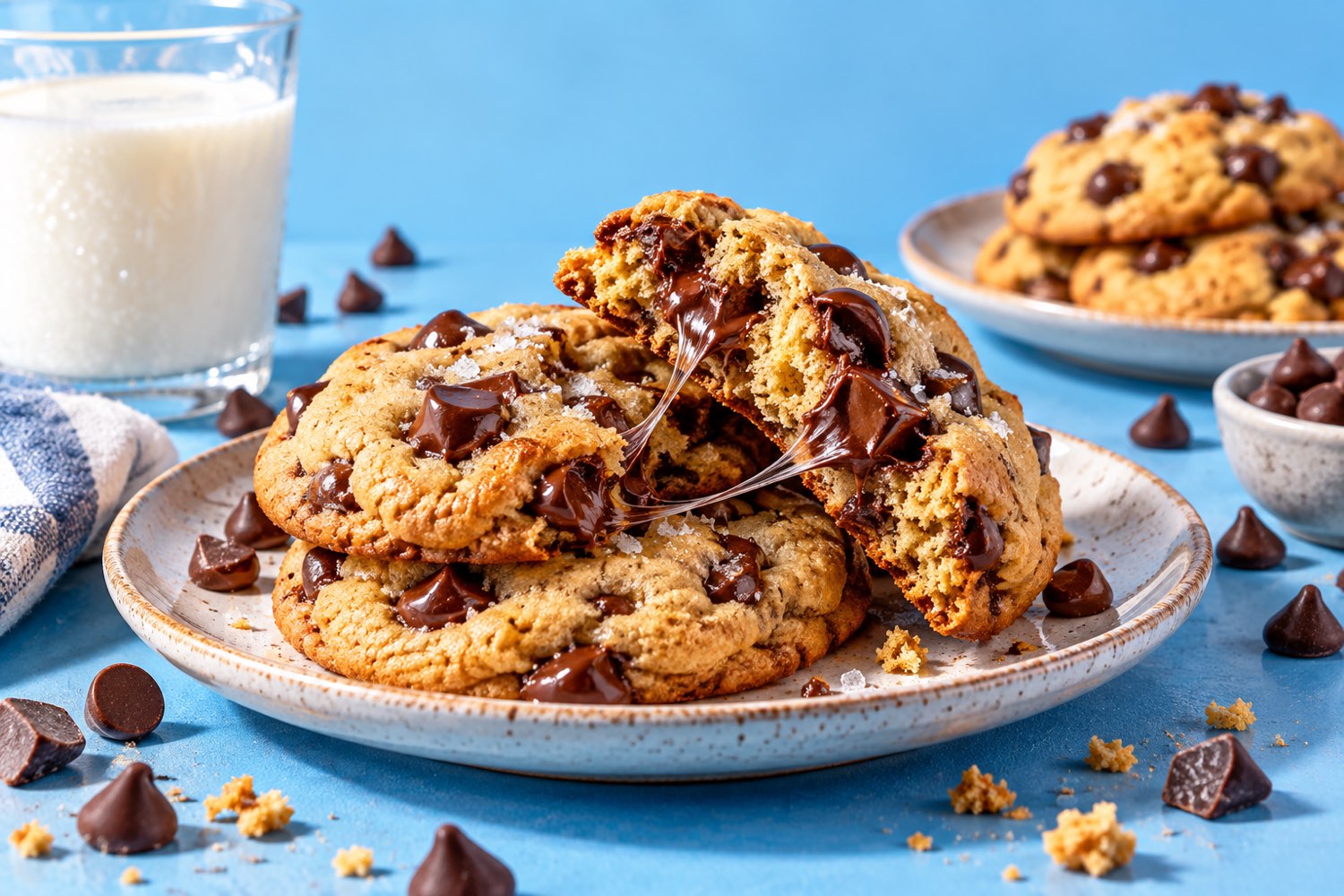
About 50% less added sugarSoft-Baked Chocolate Chip Cookie
Bakery-grade browning and chew, well under half the sugar.
See the formulation →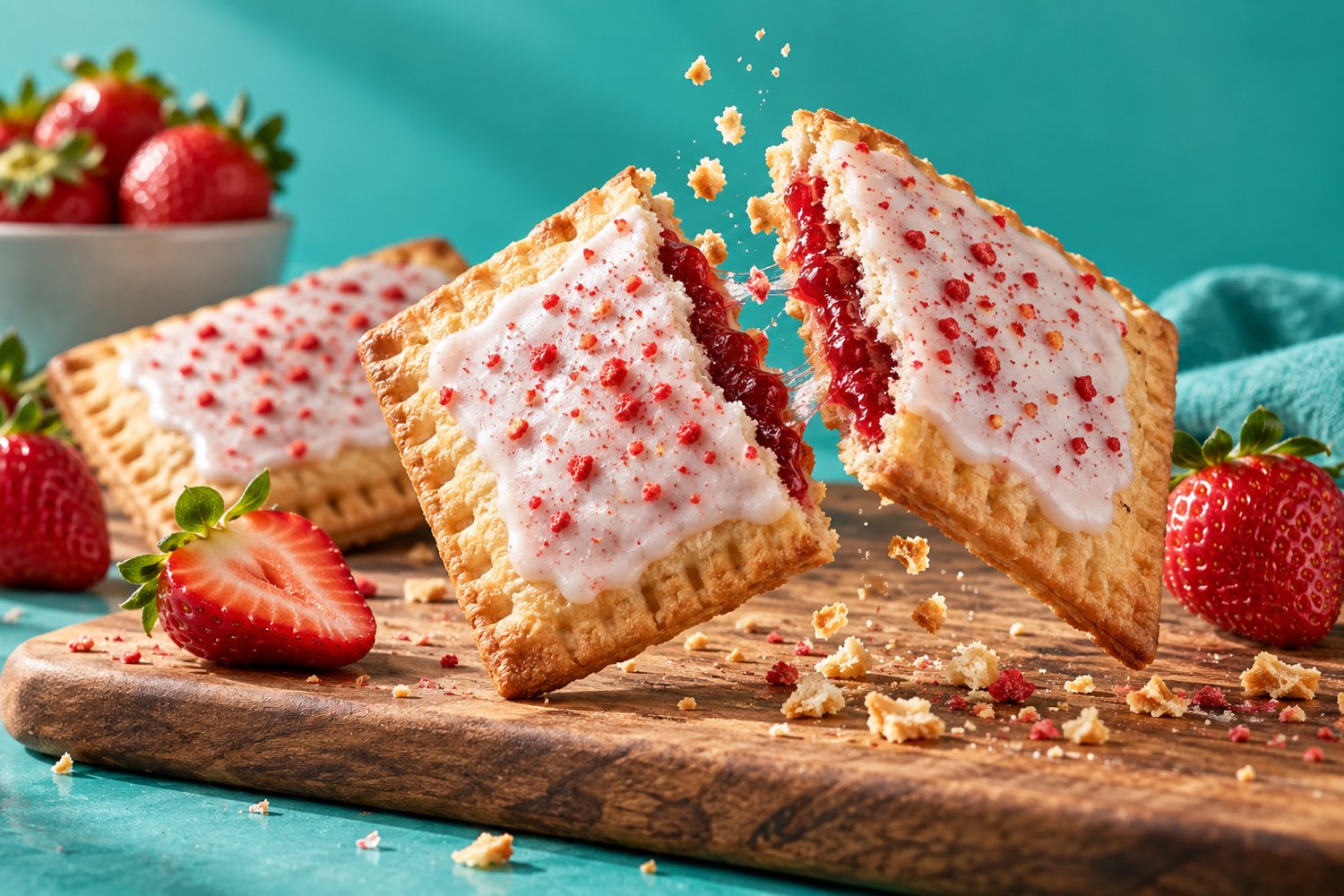 About 50% less added sugar
Crisp Breakfast Toaster Pastry
That snap and sweet filling, with a big cut in added sugar.
See the formulation →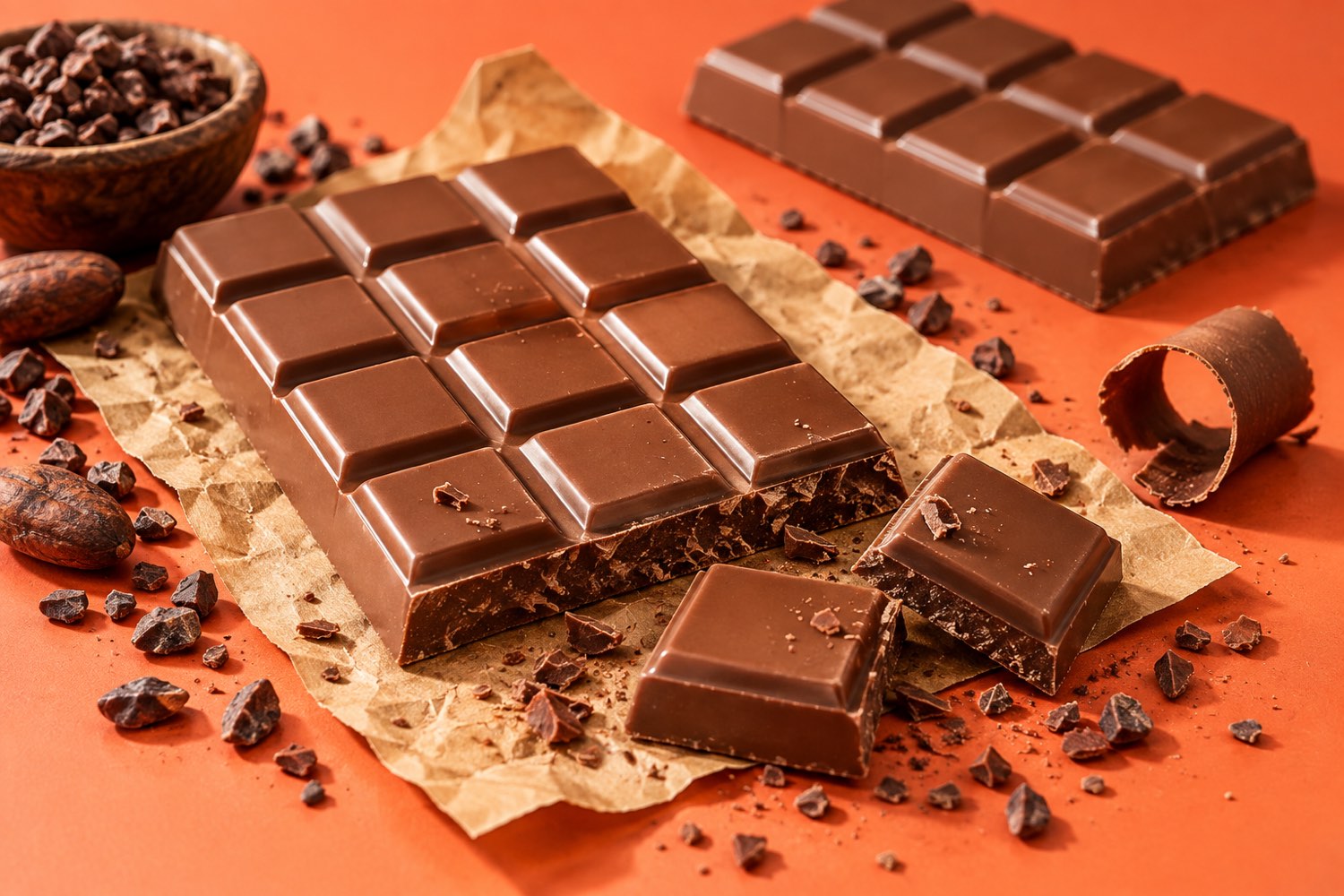 About 50% less added sugar
Milk-Style Chocolate Bar
A permissible-indulgence bar with roughly half the sugar.
See the formulation →Keep going.
The product
What UnSugar is, the UnSugar System, and how teams evaluate it.
The science
What a sweet protein is and how it creates sweetness at low use levels.
Regulatory & safety
Our status stated precisely, and the documentation your QA team needs.
Sweet protein vs stevia
Why the two are often better together than apart.
Tell us what you’re building.
Share your category, current sweetener system and sugar-reduction goal. We’ll send a sample kit to your bench and help you run the first trial.