
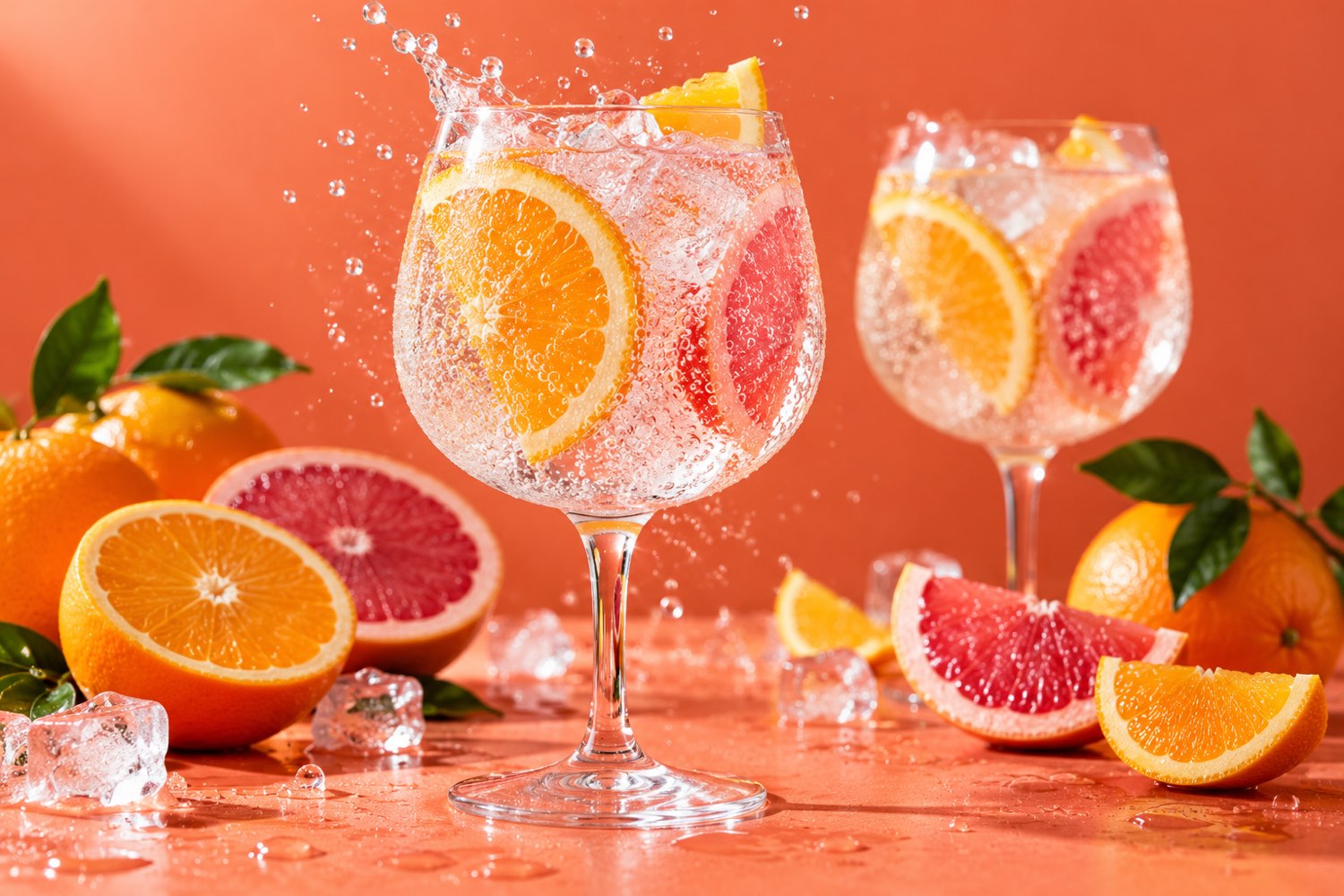
Reduce sugar without flattening the drinking experience.
Beverages expose every weakness in a sweetener system: onset, linger, bitterness, acidity, aroma interaction and finish. UnSugar gives beverage teams another tool for building a cleaner, more balanced sweetness profile, and it can be evaluated alongside stevia or monk fruit to deepen the reduction.
Shoppers are already reading the sugar line on drinks.
Reduced sugar stopped being a niche ask in beverages. It is fast becoming the price of entry, and the brands that move first are the ones winning the shelf.
Reduction targets depend on the product and requirements, and every number should be confirmed by bench testing in your own recipe.
Where the sweet protein fits.
What this does for your brand, not just your batch.
A lower sugar number and a reduced-sugar story front of pack, the thing a shopper actually reads. Confirm any on-pack wording with your regulatory review.
About 500 to 2,000 times sweeter than sugar, so a whisper does the work, tuned for a clean onset and finish. The sweetness reads like sugar, which is what brings people back.
A sweet protein, digested like other dietary proteins and used at milligram levels, so it adds no sugars. Full safety and regulatory documentation is ready for your quality and regulatory teams.
Carbonated drinks usually sit around 70 to 80%. Still and flavored drinks can go a little higher.
A good starting blend takes about 65% of the sweetness from the sweet protein and keeps about 35% from the sweetener you already use.
A worked dose you can follow.
Here is how the dose lands in a real formula, from your sugar target to the amount you actually weigh out.
A little goes a long way. UnSugar is 500 to 2,000 times sweeter than sugar, so you dose it in tiny amounts. Your applications team helps you dial in the exact amount for your product.
Take a cola at 100 grams of sugar per liter and aim to replace 75%, which sits inside the roughly 70 to 80% ceiling for carbonated drinks. That hands 75 grams of sugar sweetness to the sweet protein, with 25 grams of sugar kept in for body.
Then taste. Rest the trial about 15 minutes, then taste against your standard.
Two beverage levers. For an alcoholic version, alcohol lifts perceived sweetness, so start at about half the calculated dose and adjust up by taste. If the finish feels long, raising the acid by about 10% cleans it up. Pasteurizing the drink is fine, because the water in it protects the sweet protein through heat.
These figures are formulation targets our applications team works to, confirmed in your own product by bench testing.
Heat, pH and the levers to watch.
| What to plan around | UnSugar in beverages |
|---|---|
| Typical sugar reduction | 60 to 90%, deeper when paired with stevia or monk fruit |
| Use level | Provided in the current technical data sheet. |
| Solubility | Dissolves easily in water-based systems |
| pH | Supplied at about pH 4.0; literature stability pH 2.5 to 10 |
| Heat | Water protects it; pasteurized drinks are fine |
| Alcoholic drinks | Alcohol lifts sweetness; start at about half the calculated dose |
| Pairs with | Stevia, monk fruit, allulose, fibers |
| Label objective | Reduced added sugar; confirm on-pack wording with your regulatory review |
The bar is simple: your panel can’t tell it lost the sugar.
That is the target we formulate to, a reduced-sugar drink that holds its own against your full-sugar control. We start from your current best formula, add the sweet protein as one variable, then lower the sugar step by step while the sensory scores hold. 60 to 90% is realistic in suitable beverages.
Why beverages are where sweet proteins shine first
Of every category a formulator might tackle, drinks are the one where a high-intensity sweetener does the most good with the least collateral rebuilding. The reason is simple: in a soda or a flavored water, sugar is doing very little except sweetening and adding a touch of body. There is no crumb to hold, no crust to brown, no ice crystal to manage. Take the sweetness problem off the table and you have solved most of the product. That is why beverages account for the largest slice of sweet-protein demand, and why they are usually the first place a team proves the ingredient to itself before tackling harder recipes.
The two things that still need attention
The first is the sweetness curve. Carbonation, acidity and cold serving temperatures all change how sweetness is perceived, and a drink that measures correctly sweet can still taste wrong if the onset is slow or the finish lingers. UnSugar's clean profile helps, and pairing it with an existing stevia or monk-fruit system lets you tune the curve rather than fight it. The second is body. Full-sugar drinks carry dissolved solids that give a subtle weight on the palate, and stripping them out can leave a beverage tasting watery. This is a mouthfeel problem, solved with the same fibers, gums or moisture-holding ingredients beverage developers already know, not a sweetness problem, so it is important not to try to fix thinness by adding more sweetener.
Acidity, aroma and the finish
High-acid drinks are the most demanding test of any sweetener, and they are exactly where the off-notes of older high-intensity sweeteners become most obvious. A clean sweet protein that also helps mask those notes gives a team more room to push the reduction before the panel starts scoring the aftertaste.
Why beverages are also the best proof point commercially
There is a business reason beverages lead beyond the technical one. The category responds fastest to the external pressure driving sugar reduction in the first place: sugar-sweetened-beverage taxes target it directly, front-of-pack labeling flags it prominently, and shoppers scan a drink's sugar line more readily than a sauce's. Where levies have been introduced, average sugar per liter has fallen sharply as manufacturers reformulated rather than absorb the cost. That means a reduced-sugar beverage is not only easier to build, it also lands in the category where the reward, in avoided tax, in shelf claims, in shopper approval, is most immediate. For a team looking to prove a sweet-protein program and show a return quickly, a drink is usually the shortest path from bench to business case.
Tell us the format, the current sweetener system and the reduction target. We will come back with the most useful first evaluation step.
Product types in this category.
UnSugar can be evaluated as part of a beverage sweetener system to support deeper sugar reduction, improve sweetness quality and reduce reliance on a single high-intensity sweetener.
What we need from you.
Beverage type and flavor, current sugar and sweetener system, target sugar reduction, pH and processing conditions, serving size and cost target, development stage and target launch date.
Straight answers.
How much sugar can I remove from a soda with UnSugar?
Typically 60 to 90%, and more when UnSugar is paired with stevia or monk fruit to maintain a full, clean sweetness. These are formulation targets, confirmed by bench testing in your own recipe.
Is UnSugar soluble and stable enough for beverage processing?
UnSugar is highly soluble and suited to liquid systems. Performance across your specific pH and process conditions is provided in the beverage technical data sheet.
Can I make a no-blood-sugar-spike claim on a drink sweetened with UnSugar?
No. We do not support that claim. UnSugar is a food ingredient and we make no glycemic claim; any finished-product claim is for your own regulatory review.
Will removing sugar make the drink taste thin?
It can. Sugar contributes dissolved solids as well as sweetness, so deep cuts in beverages usually pair a sweetness tool with a mouthfeel strategy.
Beverages recipes to start from.
Reduced-sugar starter formulations in this category, each with the blend and a worked dosing example.
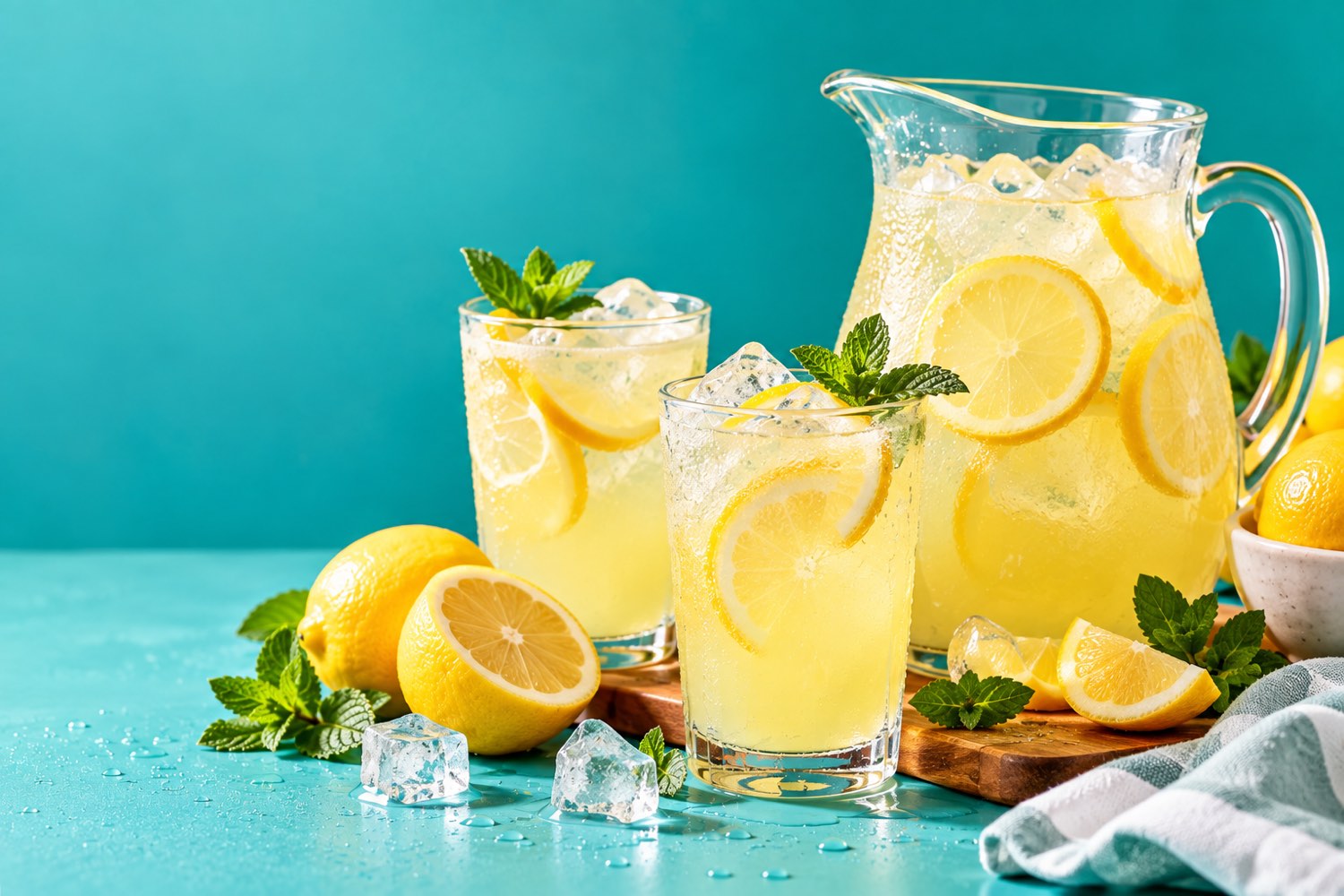 65% less added sugar
Classic Lemonade
All the lemonade, a third of the sugar.
See the formulation →70 to 80% less added sugarReduced-Sugar Sparkling Citrus Soda
70 to 80% less sugar without the flat, thin mouthfeel.
See the formulation →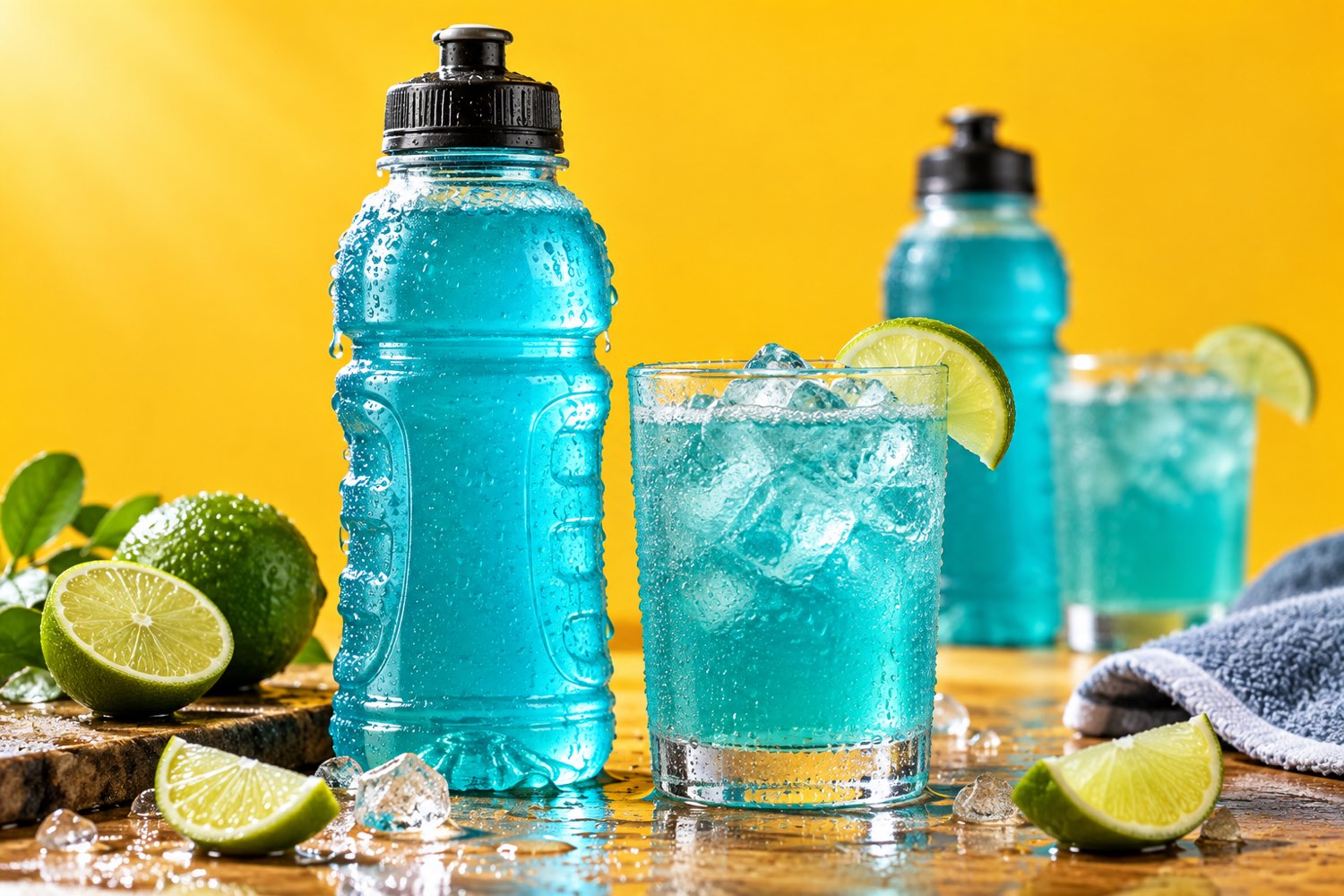 Up to 80% less added sugar
Better-for-You Sports & Electrolyte Drink
Full sweetness at a fraction of the sugar, electrolytes intact.
See the formulation →Keep going.
The product
What UnSugar is, the UnSugar System, and how teams evaluate it.
The science
What a sweet protein is and how it creates sweetness at low use levels.
Regulatory & safety
Our status stated precisely, and the documentation your QA team needs.
Sweet protein vs stevia
Why the two are often better together than apart.
Tell us what you’re building.
Share your category, current sweetener system and sugar-reduction goal. We’ll send a sample kit to your bench and help you run the first trial.