Low-Sugar Electrolyte Drinks and Beverages: How to Cut the Sugar Without the Salty, Bitter Finish
Electrolyte and sports drinks are some of the hardest beverages to take sugar out of, because the sugar was quietly covering the salts. Here is how far you can go, what to expect at the bench, and how to get samples into your next trial.


Formulation guide: beverages
Shoppers now read the sugar line on every drink they pick up, and electrolyte drinks are no exception. The trouble is that when you take sugar out of a drink built around sodium and potassium salts, the salts suddenly have nowhere to hide. Many teams then reach for more high-intensity sweetener and trade a salty finish for a bitter one.
This guide covers what sugar is really doing in beverages and electrolyte drinks, realistic reduction targets by drink type, and a simple bench plan you can run in a week.
The 30-second version
- UnSugar Sweet Protein is 1,000 times sweeter than sugar, with a clean, sugar-like sweetness and no bitter aftertaste.
- About one part replaces 1,000 parts of sugar, so it is dosed in milligrams and adds no sugars.
- It replaces 60 to 90% of the sugar in suitable formulations. Our electrolyte drink starter formulation targets up to 80% less added sugar.
- Start with a 65/35 blend: 65% of the sweetness from UnSugar Sweet Protein, 35% from your current sweetener.
- It holds its sweetness up to about 98 °C (208 °F), so normal beverage processing is comfortable ground.
What sugar is really doing in an electrolyte drink
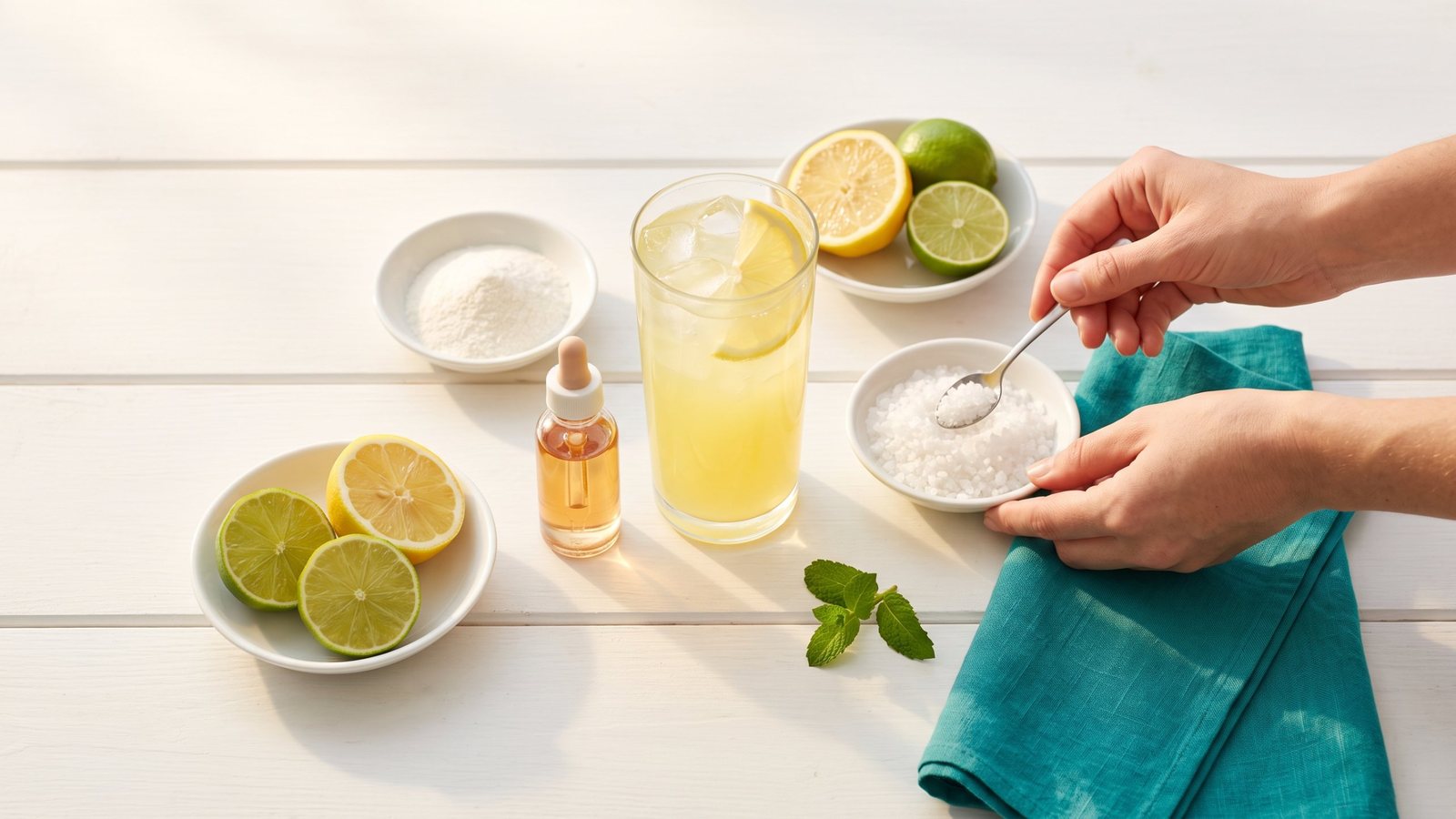
In a soda, sugar is there mostly for sweetness. In an electrolyte drink it has three jobs at once:
- Sweetness. The obvious one.
- Rounding the salts. Sodium citrate reads salty and potassium chloride can read bitter or metallic. Sugar softens both.
- Balancing the acid. Citrus and berry profiles need acid, and sugar keeps that acid from tasting sharp.
Take the sugar out and all three jobs open up at the same time. That is why a straight swap to a single high-intensity sweetener often tastes thin, salty and bitter on the back end.
Why a sweet protein suits this job
A sweet protein is a protein that tastes sweet. UnSugar Sweet Protein is based on brazzein, a sweet protein first found in the oubli fruit, and it is made by fermentation.
What matters for an electrolyte drink is the shape of the sweetness. A sweet protein arrives a little later than sugar and finishes clean, which is exactly where the salts and many other sweeteners show up. That is also why we recommend a blend rather than a swap: keep part of your current sweetener for the fast front sweetness, and let UnSugar Sweet Protein carry the finish.
Because it is used at about one part per 1,000 parts of sugar replaced, it does not change your electrolyte levels or your fill volume, and it adds one short line to your ingredient statement.
How far can you go? Targets by drink type
These are starting targets from our applications work, confirmed by bench testing in each customer's own product.
| Drink type | Starting target | What to watch |
|---|---|---|
| Electrolyte and sports drinks | Up to 80% less added sugar | Salt and bitter notes on the finish; keep a small amount of a second sweetener |
| Carbonated soft drinks | 70 to 80% less sugar | Body and mouthfeel; carbonation sharpens acid |
| Still and flavored drinks, lemonade | 60 to 90% less sugar; our lemonade starter is 65% less added sugar | Thin body in very low-sugar versions |
| Drink mixes and stick packs | Set by the drink you make up | Even blending in a dry mix (see below) |
Two starter formulations show the method in full: the Better-for-You Sports and Electrolyte Drink (up to 80% less added sugar, with allulose, sodium citrate and potassium chloride) and the Reduced-Sugar Sparkling Citrus Soda (70 to 80% less sugar).
A worked example you can follow
Take a 355 mL electrolyte drink that started with about 21 g of sugar per serving.
- Set a target of 80% less added sugar.
- Move that 80% of the sweetness to UnSugar Sweet Protein, dosed at about one part per 1,000 parts of the sugar it replaces.
- Keep the remaining sweetness from your existing sweetener, so the drink still has a quick, sugar-like start.
- Hold the electrolytes, acid and flavor exactly where they were, so the only variable is the sweetener system.
Our applications team confirms the exact dose for your product. The full starter formula sheet, with use levels and process notes, is shared with qualified teams on request.
Formats: liquid for ready-to-drink, powder for mixes
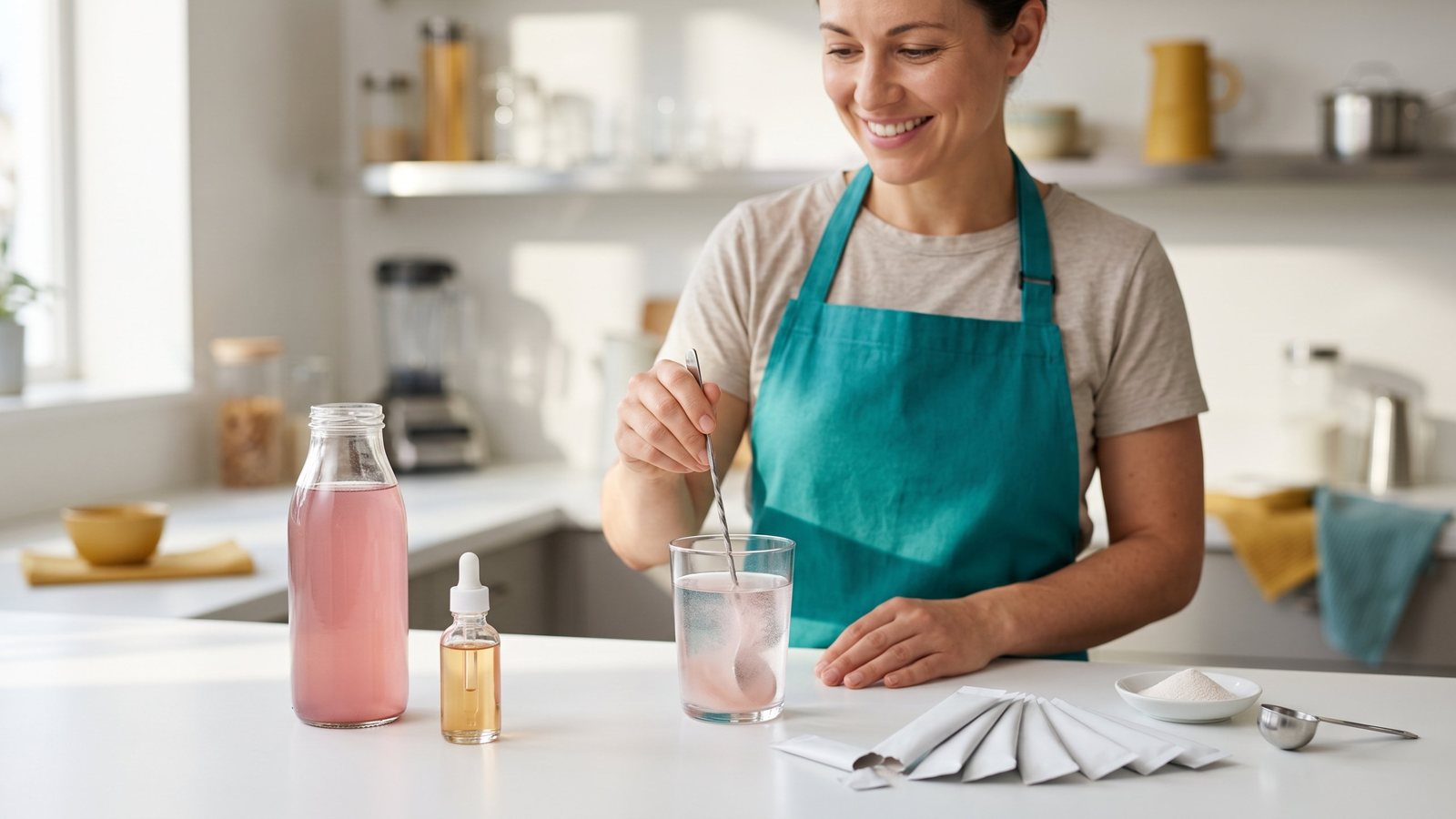
- Liquid (light amber) suits ready-to-drink lines and syrups. It mixes straight into the water phase.
- Powder (white, free-flowing) suits electrolyte powders, stick packs and tablets. Because the dose is so small, step-mix it: blend it into about ten times its weight of another dry ingredient first, then into the full batch, so every stick gets the same sweetness.
Shelf life is 12 months ambient at 25 °C (77 °F) for the powder and 6 months for the liquid.
Processing
UnSugar Sweet Protein holds its sweetness up to about 98 °C (208 °F). Most beverage heat steps sit inside that range. If your process runs hotter or holds heat for a long time, tell us the time and temperature and we will advise before you trial.
A one-week bench plan
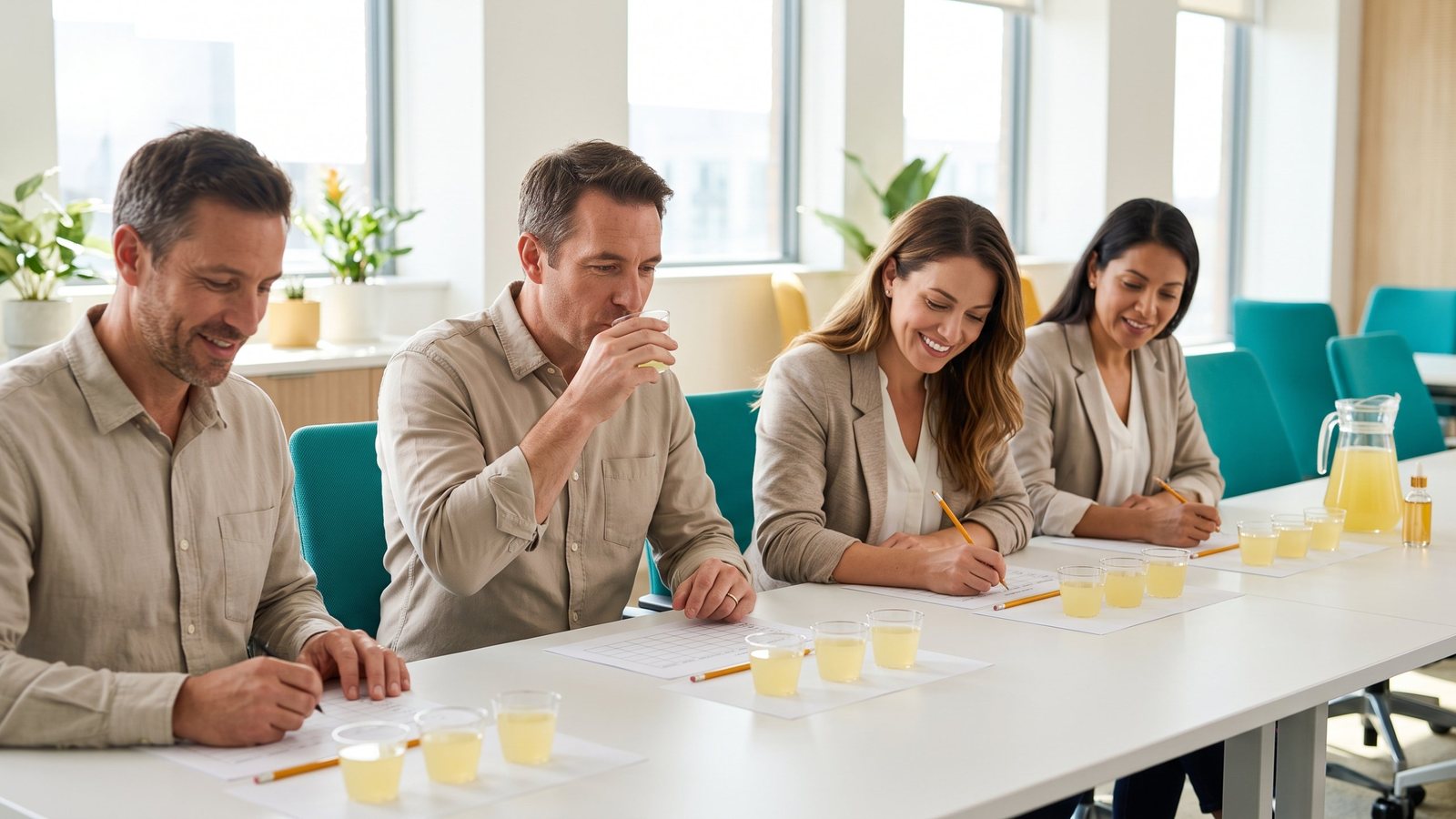
- Day 1: lock your control. Make your best full-sugar version. Every reduced-sugar sample is judged against it.
- Day 2: make the 65/35 blend at your target reduction. Change only the sweetener system.
- Day 3: rest, then taste blind. Let each sample rest about 15 minutes before tasting, and taste it against the control without labels.
- Days 4 and 5: adjust one lever at a time.
- Finish lingers? Raise the acid by about 10%.
- Tastes thin? Add a mouthfeel tool such as a fiber or gum. More sweetener will not fix body.
- Salty or bitter back end? Shift a little more of the sweetness to the sweet protein, or look at your flavor system.
- End of week: decide. If the panel cannot tell the reduced version from the control, you have a candidate for pilot.
Our applications team will work the first bench trial with you, dial in the dose and blend, and help plan the path to pilot.
What to send us to get started
A short brief gets you the right sample and a starting dose on the first call:
- Format: ready-to-drink, powder, concentrate or tablet
- Current sweetener system: sugar, stevia, monk fruit, sucralose or a blend
- Sugar target: how much you want to remove, and by when
- Process: your heat step, if any, and fill method
Send it to a specialist, or skip straight to free samples.
Where UnSugar fits in your beverage portfolio
Electrolyte drinks are the hard case. If it works there, the same approach carries into carbonated soft drinks, flavored waters, ready-to-drink tea and coffee, and protein shakes. See the full list and the technical levers on our beverages application page, and if you are weighing a sweet protein against the sweetener you use today, read sweet protein vs stevia. Working on dairy or confectionery too? See reduced-sugar yogurt and chocolate.
Get UnSugar Sweet Protein on your bench
Samples are free for qualified food and beverage teams: a 100 mL liquid bottle or powder packets of 1 g, 2 g or 10 g, with a sample guide and dosing help. One gram of powder can replace up to about 1 kg of sugar.
Quick answers
How much sugar can I take out of an electrolyte drink? Our electrolyte drink starter formulation targets up to 80% less added sugar, using about 80% of the sweetness from UnSugar Sweet Protein and the rest from your existing sweetener. Across suitable beverage formulations, UnSugar Sweet Protein replaces 60 to 90% of the sugar. Bench testing in your own product confirms the final number.
Does it work with the stevia or monk fruit I already use? Yes, and that is how we recommend starting. A 65/35 blend lets your current sweetener give the fast front sweetness while UnSugar Sweet Protein carries a clean finish.
Will it hold up in my process? UnSugar Sweet Protein holds its sweetness up to about 98 °C (208 °F), which covers most beverage heat steps. For longer or hotter processes, send us the time and temperature first.
Liquid or powder for a drink mix? Powder. Step-mix it into a larger dry ingredient first so the tiny dose spreads evenly. Use the liquid for ready-to-drink lines.
How fast can I get samples? Requests are reviewed within one business day and shipped to your bench. Samples are free for qualified food and beverage teams.
About UnSugar
UnSugar Sweet Protein is a sweet-protein ingredient that helps food and beverage teams cut sugar while keeping the taste. UnSugar Sweet Protein is self-affirmed GRAS for its intended use in food and beverage, and a GRAS Notice has been submitted to the U.S. FDA and assigned GRN 1338, with the no-questions response awaited. Pilot trials are underway with US food and beverage teams, and formulation and partnership discussions are open. Contact sales@goUnSugar.com or +1 (651) 317-8261.
Reduction figures are formulation targets, confirmed by bench testing in your own product. Performance and labeling depend on the finished formulation, use level, market and applicable regulations; confirm any on-pack wording with your regulatory team. We make no health, glycemic or performance claims for UnSugar Sweet Protein.
Want to taste it in your product?
Request samples and the technical spec, and our team will help you plan the evaluation.
Request Samples →