
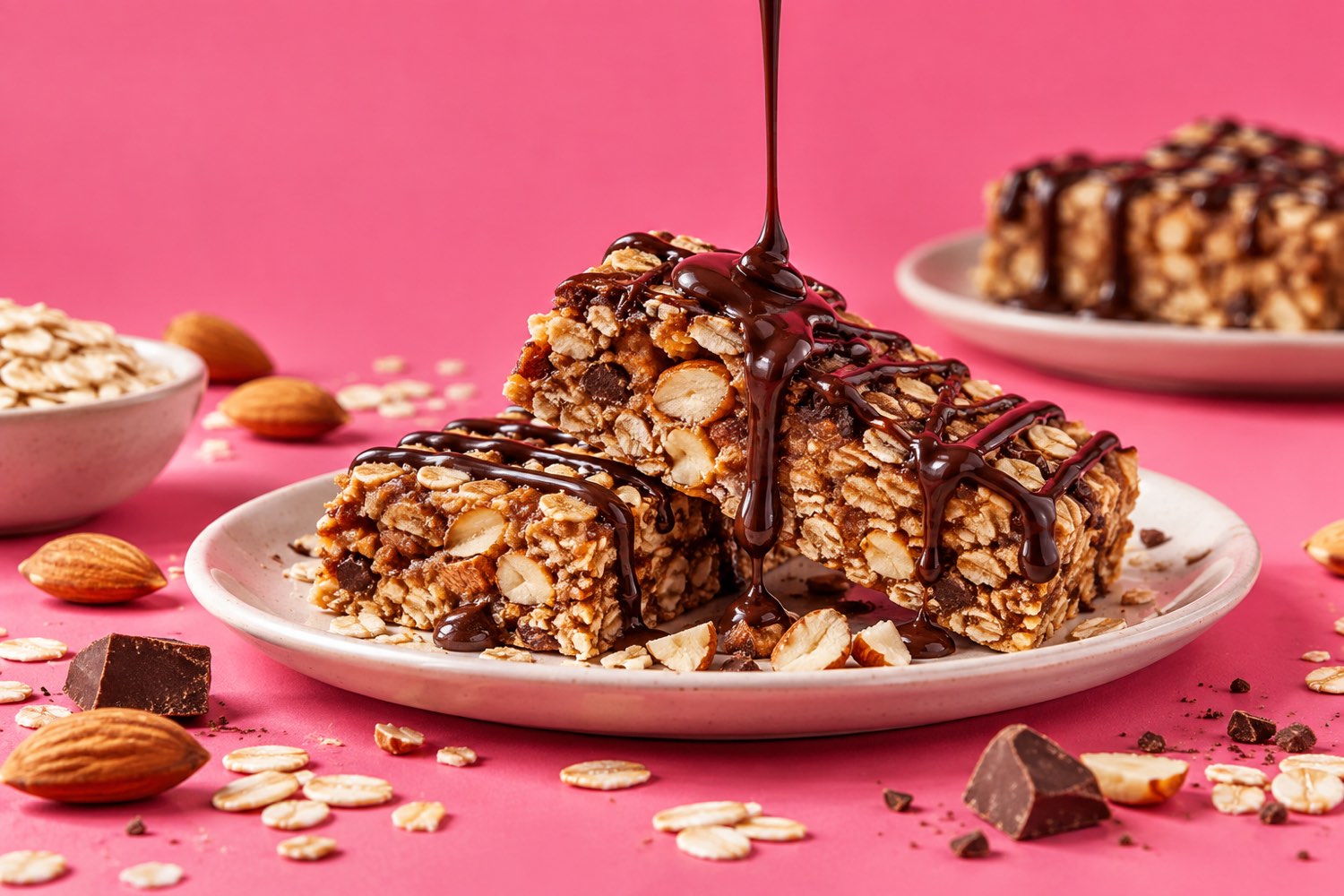
Formulating for a protein-forward, reduced-sugar shopper.
Shoppers are buying more protein-forward, lower-sugar products, and product teams are reformulating to meet that demand. This page is about the formulation problem only: how to build smaller, sweeter-tasting, reduced-sugar products with a protein-based sweetness tool.
A smaller appetite is reshaping the basket.
More shoppers want smaller, protein-forward, lower-sugar products, and product teams are reformulating to meet that demand. This is a food-category opportunity, and the sweet protein fits the reduced-sugar, higher-protein positioning these products want.
This describes the food and its market fit only, and makes no appetite, weight or medical claim of any kind. Reduction should be confirmed by bench testing in your own recipe.
Where the sweet protein fits.
What this does for your brand, not just your batch.
Small-format, protein-forward and low in sugar, matching what this shopper is reaching for. Confirm any on-pack wording with your regulatory review.
A clean, sugar-like sweetness that makes a nutrient-dense bite something people actually enjoy, not endure.
A sweet protein, digested like other dietary proteins and used at milligram levels, so it adds no sugars. No appetite, weight or medical claim of any kind, with full documentation ready for your quality and regulatory teams.
Small protein-forward formats commonly reach about 50 to 80%, confirmed by taste.
A good starting blend takes about 65% of the sweetness from the sweet protein and keeps about 35% from the sweetener you already use.
A worked dose you can follow.
Here is how the dose lands in a real formula, from your sugar target to the amount you actually weigh out.
A little goes a long way. UnSugar is 500 to 2,000 times sweeter than sugar, so you dose it in tiny amounts. Your applications team helps you dial in the exact amount for your product.
Why the small format suits a sweet protein. In a smaller serving there is less room to hide a heavy sweetener, so a clean sweetness at milligram levels earns its place, and it adds nothing to the sugar or carbohydrate lines these shoppers read closely. This is a formulation example only, about recipe and label positioning, with no medical claim of any kind.
These figures are formulation targets our applications team works to, confirmed in your own product by bench testing.
Heat, pH and the levers to watch.
| What to plan around | UnSugar in protein-forward foods |
|---|---|
| UnSugar’s role | Clean sweetness at low use levels in protein-heavy recipes |
| Key interaction | Protein load, dryness and flavor masking |
| Use level | Provided in the current technical data sheet. |
| Pairs with | Stevia, monk fruit, allulose, flavor modulators |
| Out of scope | Any medical, therapeutic or weight-management positioning |
The bar is simple: it should taste like a treat, not a compromise.
We formulate to a small, nutrient-dense, reduced-sugar product that people actually want to eat. We use the sweet protein for a clean sweetness and allulose for bulk, keep the added sugar low, and confirm every number by bench testing in your own recipe. This is about the food and its market fit only, with no appetite, weight or medical claim.
A demand shift, not a health claim
Something real is happening in the market, and it is worth describing plainly and carefully. A meaningful and growing share of US adults now use GLP-1 medications, and research on their purchasing shows a consistent pattern: smaller portions, more protein per 100 grams, and less sugar. Appetite is smaller, so every bite has to earn its place; taste preferences shift, often toward a heightened sensitivity to sweetness. The result is a wave of demand for protein-forward, reduced-sugar, portion-controlled products, and product teams across snacks, dairy, beverages and nutrition are reformulating to meet it. This page exists because that formulation brief is genuine and increasingly common.
The formulation brief in one line
Strip away the market narrative and the brief on the developer's desk is remarkably consistent: more protein, less sugar, smaller serving, and a taste experience good enough to earn a repeat purchase from someone eating less overall. That is a sweetness-and-masking problem in a protein-heavy recipe, which is precisely the problem UnSugar is built to help with. It supplies a clean, intense sweetness at milligram levels, helps mask the off-notes of companion sweeteners, and does not inflate the sugar or carbohydrate lines that these shoppers scrutinise. In a smaller portion, where there is less room to hide a poor-tasting sweetener, that cleanliness matters even more than usual.
Where the line is, and why we hold it
We are deliberate about scope here. UnSugar is a food ingredient. We do not suggest, and product teams building on it should not imply, that it supports weight loss, diabetes management, GLP-1 therapy, appetite control, metabolic treatment or any medical outcome. The opportunity is to make better-tasting protein-forward, reduced-sugar products for a shopper whose preferences are changing, and that is a formulation and positioning opportunity, not a medical one. Any audience targeting or on-pack language in this space has to clear your own legal and regulatory review. We hold that line not out of caution for its own sake, but because a category built on over-claiming is a category that invites the regulator in, and everyone in it loses when that happens.
Formats that fit a smaller appetite
The practical formats in this space follow the shopper's changed habits. Smaller portions mean single-serve and mini formats where every gram counts, so a sweetener that adds nothing to the panel is doubly valuable. More frequent, smaller eating occasions favor convenient, protein-forward snacks and drinks over large indulgent servings. And a heightened sensitivity to sweetness among many of these consumers puts a premium on a clean, well-shaped sweetness curve rather than a blunt, lingering one. UnSugar suits all three tendencies: it sweetens cleanly at milligram levels, keeps the nutrition panel honest, and helps a small serving taste complete without a heavy sweetener load. The brief is demanding, but it plays to exactly the strengths a high-intensity sweet protein brings.
Tell us the format, the current sweetener system and the reduction target. We will come back with the most useful first evaluation step.
Product types in this category.
The formulation brief in this space is usually the same: more protein, less sugar, smaller servings, and a taste experience that still earns a repeat purchase. UnSugar is evaluated as the sweetness layer inside that brief.
What we need from you.
Format, protein source and load, current sweetener system, target sugar reduction, serving size and economics, and the label strategy your regulatory team has approved.
Straight answers.
Does UnSugar support GLP-1 therapy or weight loss?
No. No such medical claim is made. UnSugar is a food ingredient, and this site does not provide medical advice.
Why have a page about this at all?
Because the formulation brief is real. Teams are being asked for protein-forward, reduced-sugar products in smaller formats, and that is a sweetness and masking problem we can help with.
What can we say on pack?
That is a question for your regulatory and legal review. We supply ingredient documentation to support that review; we do not approve finished-product claims.
Protein-Forward Foods recipes to start from.
Reduced-sugar starter formulations in this category, each with the blend and a worked dosing example.
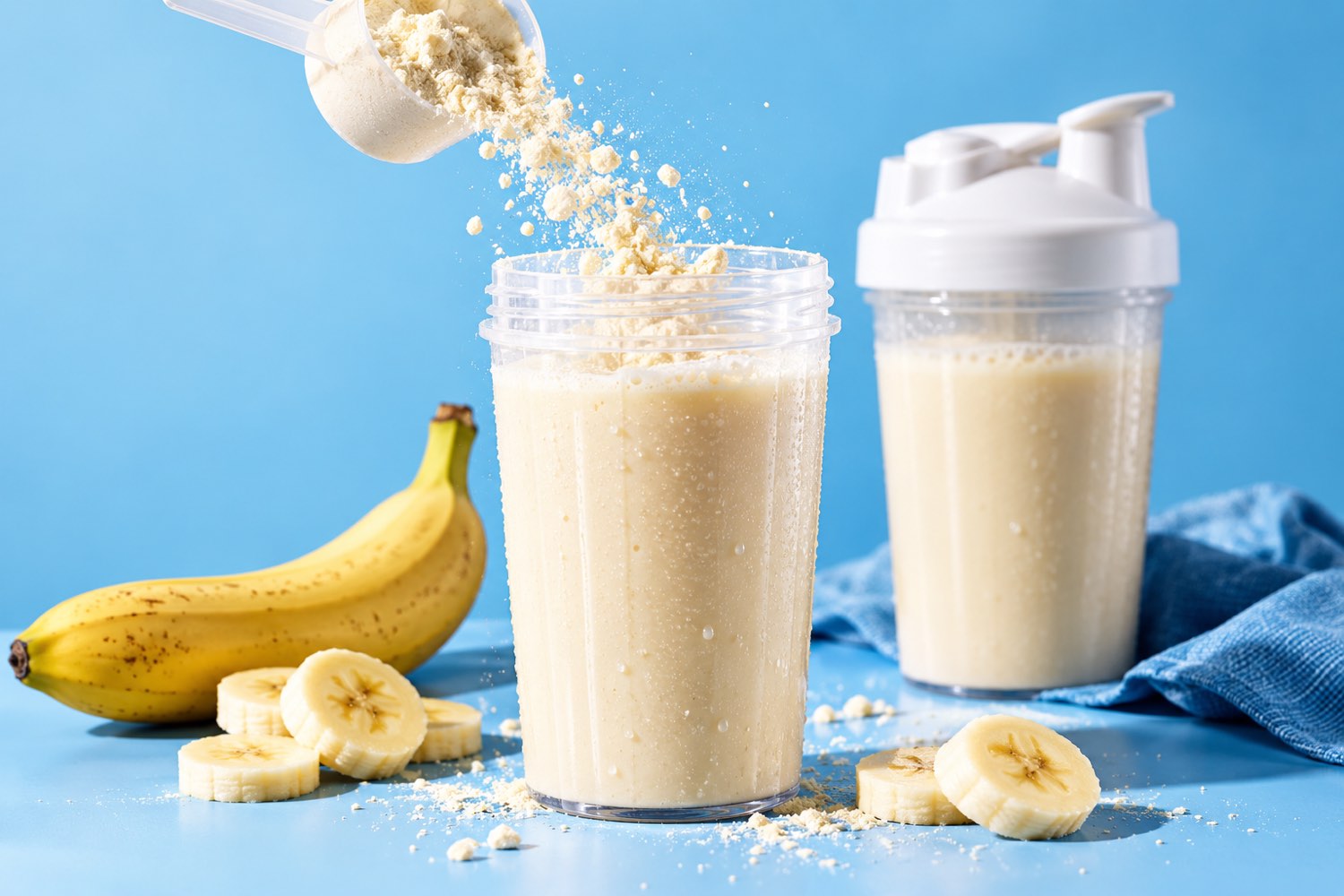
Keep going.
The product
What UnSugar is, the UnSugar System, and how teams evaluate it.
The science
What a sweet protein is and how it creates sweetness at low use levels.
Regulatory & safety
Our status stated precisely, and the documentation your QA team needs.
Sweet protein vs stevia
Why the two are often better together than apart.
Tell us what you’re building.
Share your category, current sweetener system and sugar-reduction goal. We’ll send a sample kit to your bench and help you run the first trial.