Pick your product. We’ll take it from there.
Sugar reduction is never one-size-fits-all, because sugar was doing a different mix of jobs in every product. Choose your category to see where the sweet protein fits, how far the reduction can realistically go, and a worked dose you can run on your own bench.
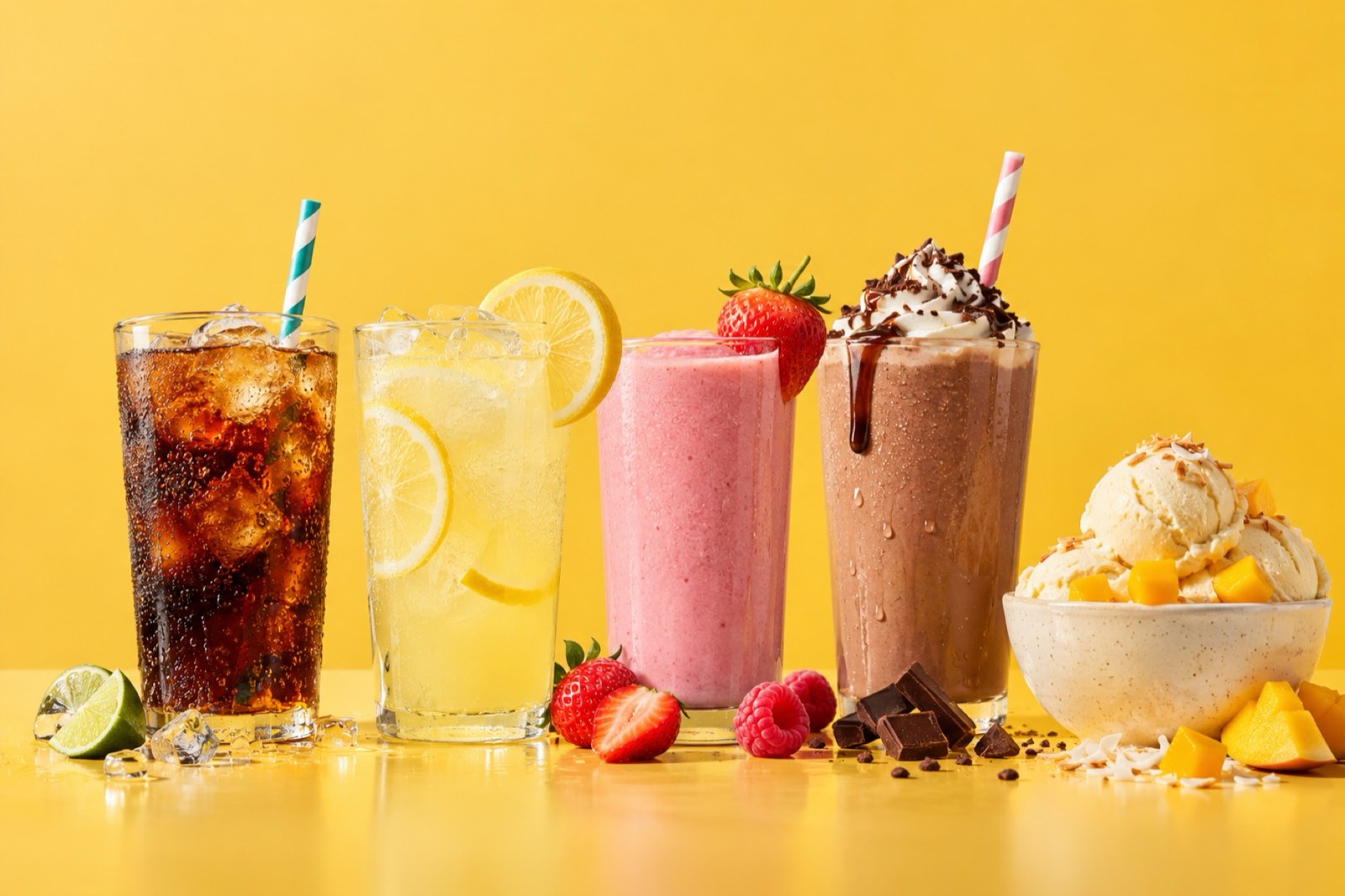

The sweet protein does one job brilliantly: sweetness.
How easy a product is to reformulate comes down to how much of sugar’s other work, the bulk, browning, texture and preservation, was structural. That is why a soda can lose most of its sugar while a chocolate cannot, and it is the honest map behind every page below.
 Sodas
Sodas Juices
 RTD coffee
 Flavored milk
 Yogurt
 Frozen dairy
 Cookies
 Cakes and bakes
 Chocolate
 Gummies
 Protein bars
 Protein shakes
 Sauces
 Tabletop
How far can the sweet protein carry it?
A friendly, planning-level view of how much of the sweetness the sweet protein can take on, ordered by how much of sugar’s job was pure sweetness. Every figure is a starting point for a bench conversation.
Which one are you building?
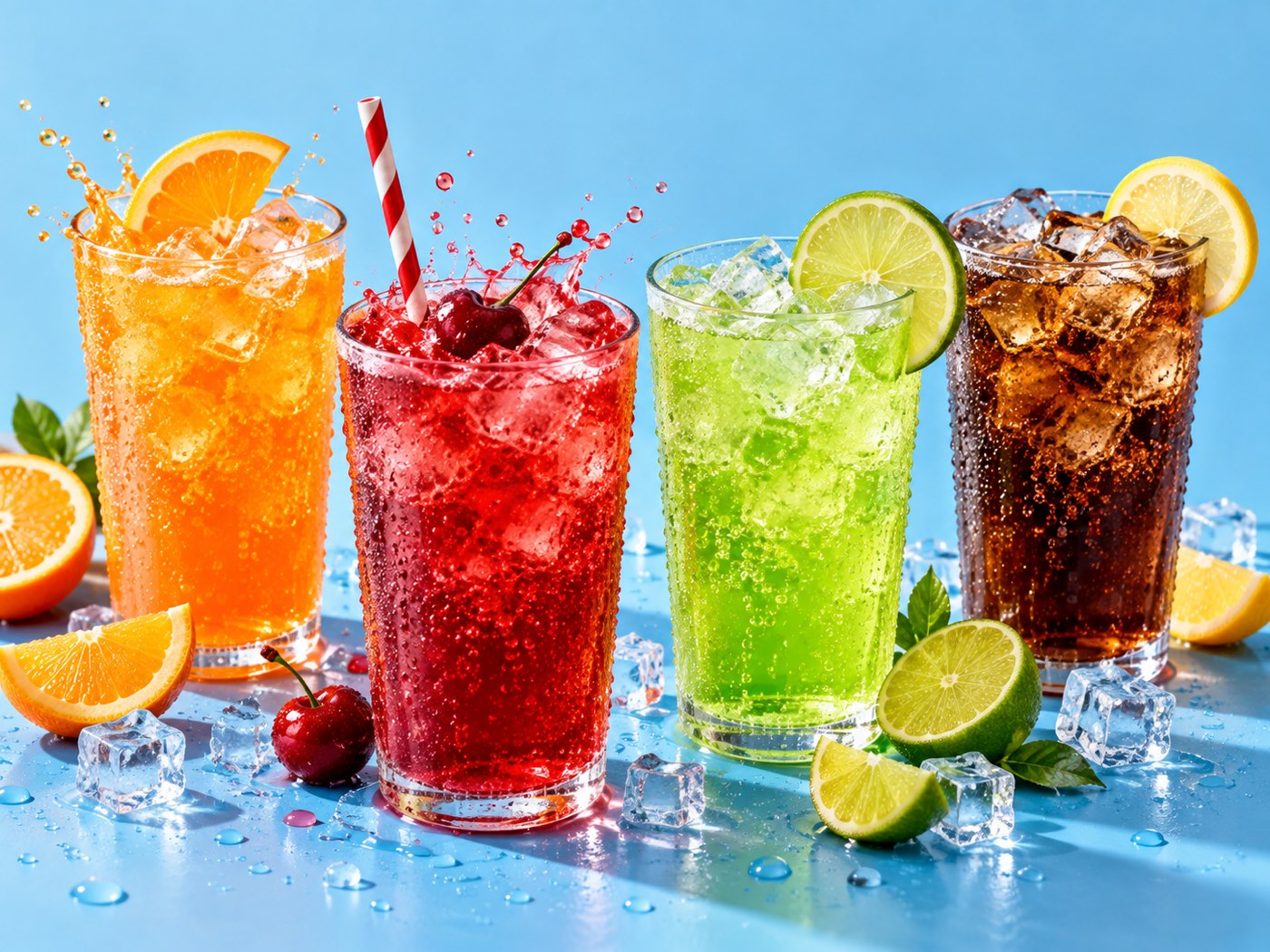
Beverages
Sodas, RTD tea and coffee, hydration and functional drinks.
See where it fits →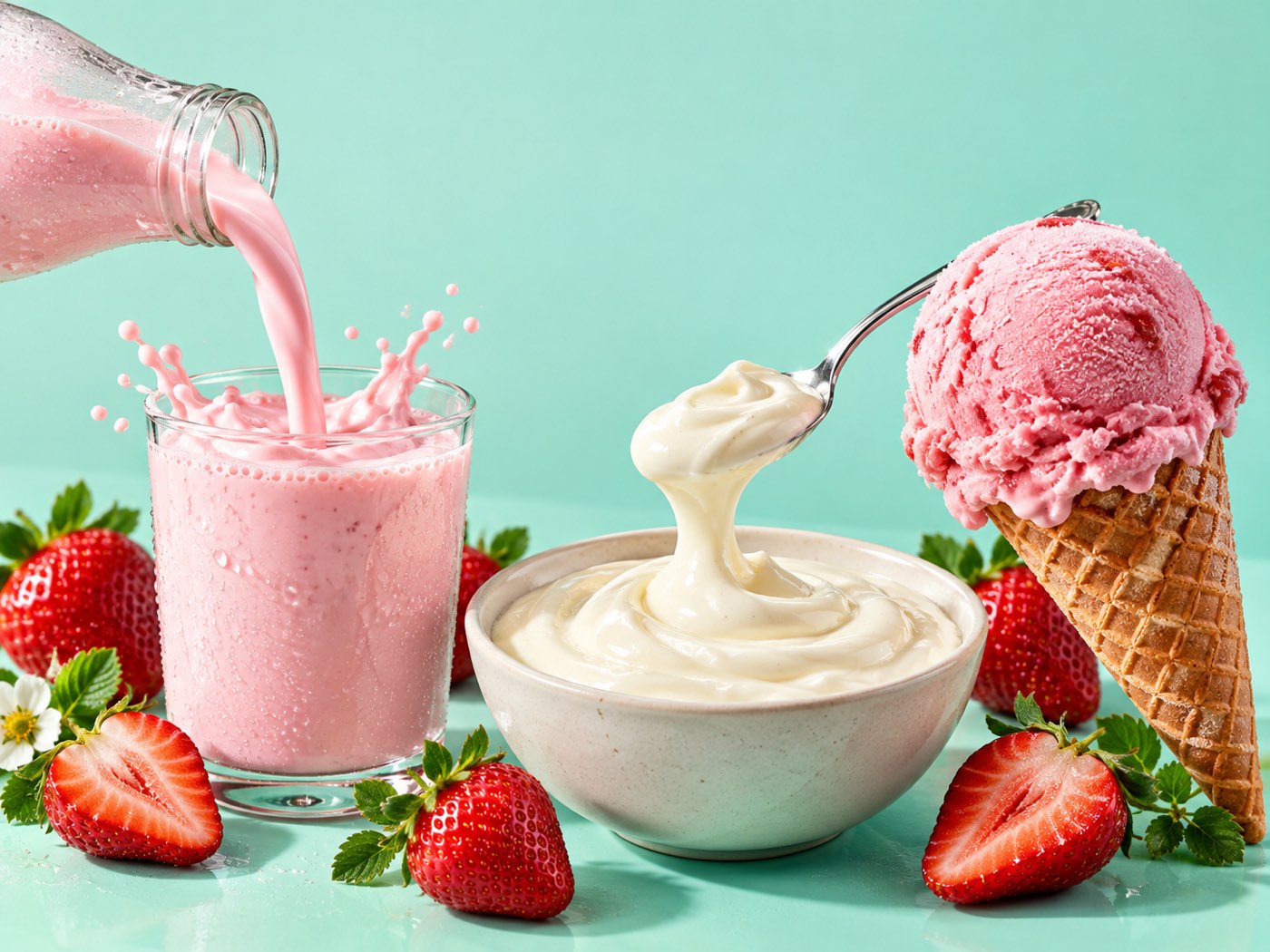
Dairy
Yogurt and cultured dairy, flavored milk, frozen desserts, dairy protein.
See where it fits →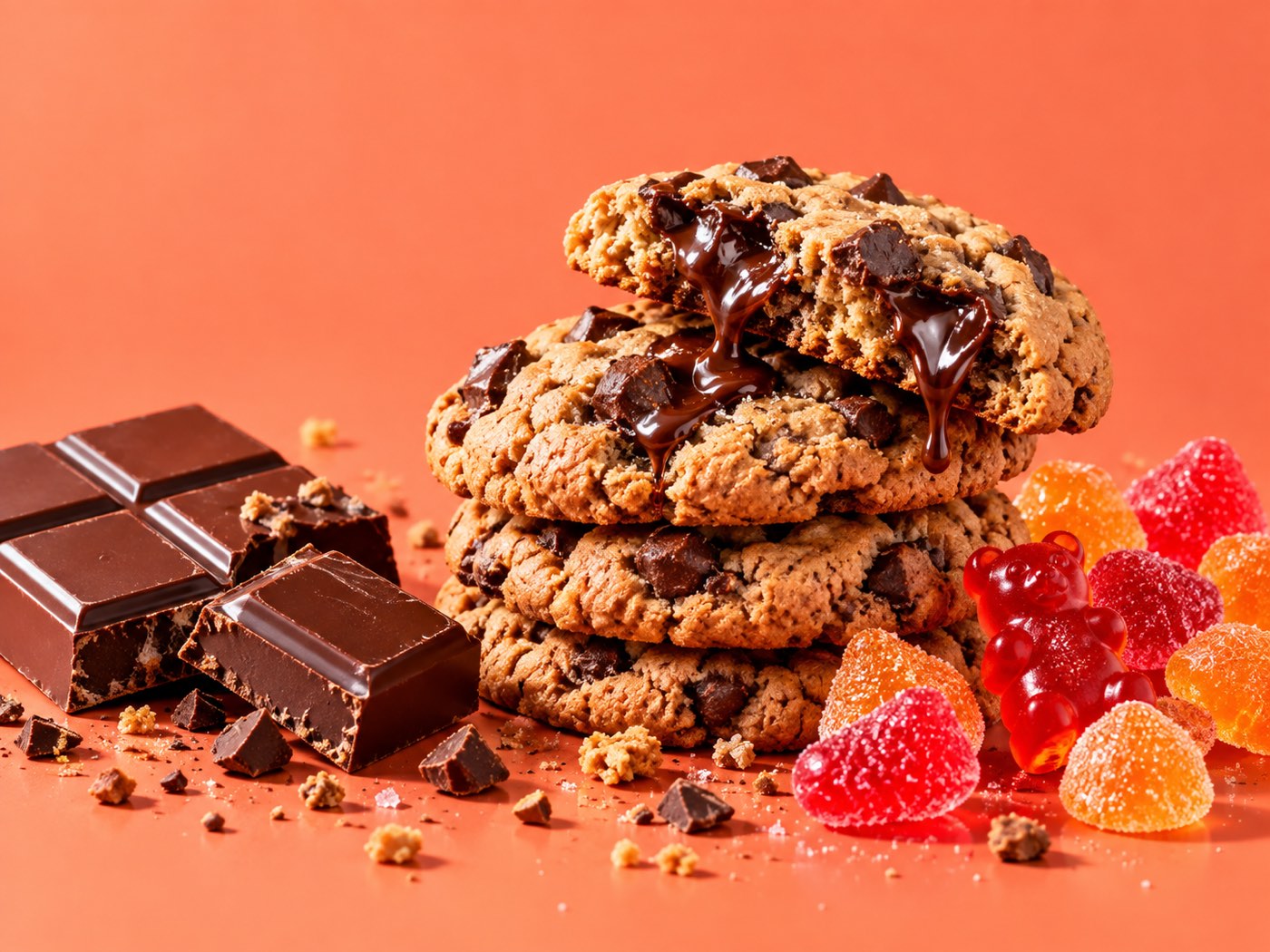
Bakery & Confectionery
Cookies, cakes, bars, chocolate, gummies, fillings and coatings.
See where it fits →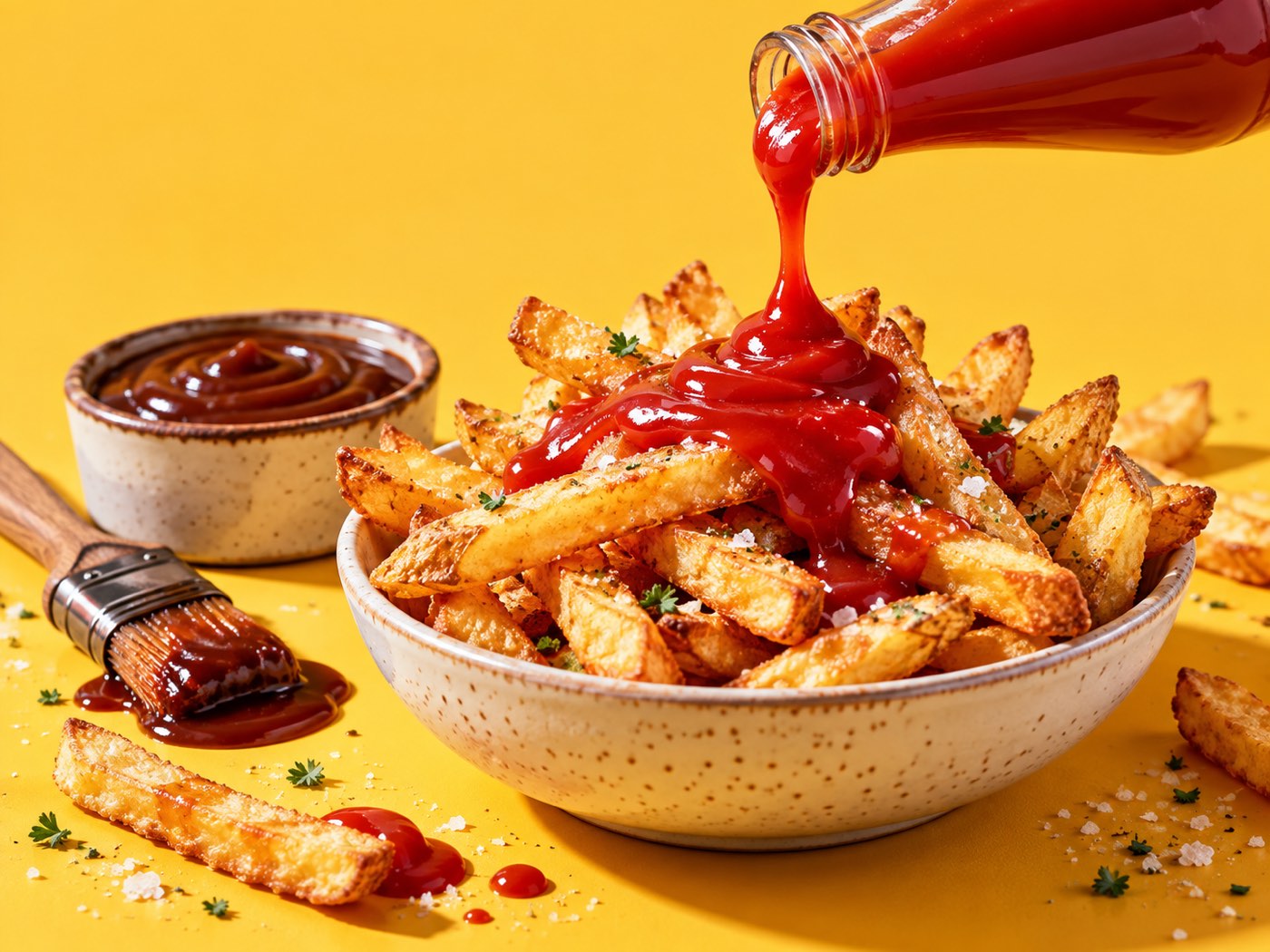
Sauces & Dressings
Ketchup, barbecue and cooking sauces, dressings, marinades, spreads.
See where it fits →
Functional Nutrition
Powders, bars and ready-to-drink formats with heavy flavor systems.
See where it fits →
Protein-Forward Foods
Protein-forward, reduced-sugar products for a changing shopper.
See where it fits →It’s a mapping exercise, not a swap.
The single most useful thing a team can do before touching a formula is to write down every job sugar is currently doing in the product. It sounds obvious, and it is the step most often skipped. Sugar is the most multifunctional ingredient in the pantry: in a single product it can be sweetening, adding bulk, driving browning, holding moisture, controlling freezing point, feeding a fermentation, thickening a sauce and quietly extending shelf life by lowering water activity. A high-intensity sweet protein like UnSugar is superb at exactly one of those jobs and does nothing for the others. Naming all of them up front turns a vague ambition into a concrete engineering list, and that list is what determines how far the reduction can realistically go.
Once the jobs are mapped, each one gets an owner. Sweetness goes to UnSugar, alone or alongside the stevia, monk fruit or allulose already in the system, tuned for a clean onset and finish rather than a raw sweetness number. Bulk goes to fibers, sugar alcohols or allulose. Browning, moisture, structure and preservation each get their own answer. The categories that reformulate easily are the ones where sweetness was almost the whole job; the categories that take real engineering are the ones where sugar was mostly structural. That is the entire logic behind the chart above, and it is why we always start a project from the product target and the job map, never from a fixed ingredient recipe.
This is also why we do not publish a single use level or a one-size formula. Two products in the same category, even two sodas or two yogurts, can behave differently enough that a number lifted from a brochure would mislead more often than it helped. What we bring instead is a method, an applications team that has worked these recipes, and the technical documentation to support your own bench work and your own regulatory review. The pages here take that method category by category, so you can see the specific constraints, the realistic reduction, and the fastest place to start before you ever request a kit.
Straight answers.
Which products can I build with it?
Beverages, dairy, bakery, confectionery, sauces, dressings and functional nutrition are all in play, subject to technical and regulatory suitability. Pick the card that matches your brief below.
Is it a one-for-one sugar swap?
No honest ingredient is. Sugar does more than sweeten, so the right system depends on the product, the jobs sugar was doing, the process, texture, shelf life and your target reduction.
How much sugar can it replace?
It is product specific. UnSugar Sweet Protein can help take 60 to 90% of the sugar out of suitable formulations while rounding out the off-notes associated with stevia and monk fruit. These figures are formulation targets our applications team works to, confirmed in your own product by bench testing.
Tell us what you’re building.
Share your category, current sweetener system and sugar-reduction goal. We’ll send a sample kit to your bench and help you run the first trial.