
Build sweetness that works with dairy, not over it.
Dairy products need sweetness that integrates with acidity, fermentation, fat, protein and flavor. UnSugar can be evaluated within reduced-sugar systems designed to preserve a smooth, familiar consumer experience.
The better-for-you aisle is watching the sugar line.
Yogurt and flavored milk live on a better-for-you promise, and a lower sugar line is what makes that promise believable. It is also one of the friendliest categories to move on, because sugar here is mostly about sweetness.
Reduction depends on the product and requirements, and every number should be confirmed by bench testing in your own recipe.
Where the sweet protein fits.
The job UnSugar takes on, tuned against the tang of the culture.
Sugar hides some of the sourness of cultured dairy. Remove it and the tang rises.
Sugar adds spoonable body; deep cuts rebuild it with proteins or stabilizers.
In frozen dairy, sugar keeps ice crystals small. A sweetness tool alone will not.
What this does for your brand, not just your batch.
A lower sugar line that backs up the better-for-you positioning shoppers expect from dairy. Confirm any on-pack wording with your regulatory review.
A clean, sugar-like sweetness without the bitter edge shoppers notice, so the yogurt or milk still tastes like the one they love.
A sweet protein, digested like other dietary proteins and used at milligram levels, so it adds no sugars. Full safety and regulatory documentation is ready for your quality and regulatory teams.
Dairy and sweet fruity products carry the sweet protein furthest, up to about 90%.
A good starting blend takes about 65% of the sweetness from the sweet protein and keeps about 35% from the sweetener you already use.
A worked dose you can follow.
Here is how the dose lands in a real formula, from your sugar target to the amount you actually weigh out.
A little goes a long way. UnSugar is 500 to 2,000 times sweeter than sugar, so you dose it in tiny amounts. Your applications team helps you dial in the exact amount for your product.
Take a flavored milk at 90 grams of sugar per liter and aim to replace 80%. Dairy is a water-rich, gentle system, so it can carry the sweet protein up to about 90%. That leaves 72 grams of sugar sweetness for the sweet protein and 18 grams of sugar in the mix.
Then taste. Rest the trial about 15 minutes, then taste against your standard.
Heat is not a worry here. High-moisture dairy holds about 80 to 85°C at the core through pasteurization whatever the process is set to, and the sweet protein is comfortable across that range and the acidic-to-neutral pH that dairy spans.
These figures are formulation targets our applications team works to, confirmed in your own product by bench testing.
Heat, pH and the levers to watch.
| What to plan around | UnSugar in dairy |
|---|---|
| Typical sugar reduction | 60 to 90% in suitable systems |
| Blend ceiling | Up to about 90%; dairy and sweet fruity systems carry the sweet protein furthest |
| Use level | Provided in the current technical data sheet. |
| Heat | High-moisture, so pasteurization and heat treatment are fine |
| Key interaction | Acidity, cultures, fat and protein balance |
| Pairs with | Stevia, monk fruit, allulose, fibers |
| Watch for | Freezing point in frozen formats; body and mouthfeel in spoonable |
The bar is simple: your panel can’t tell it lost the sugar.
That is the target we formulate to, a reduced-sugar yogurt or milk that holds its own against your full-sugar control. We start from your current best formula, add the sweet protein as one variable, then lower the sugar while the sensory scores hold. Dairy can carry a deep reduction in suitable systems.
Sweetness is only half the job in dairy
Dairy is the category where sugar's quiet second job matters most: it masks acidity. Yogurt and cultured products are naturally tart, and a good deal of the sugar in a flavored yogurt is there not to make it sweet but to make it not sour. That is why a naive sugar cut in dairy so often produces a product that tastes sharper and thinner than the original, even when the sweetness is dialled back in correctly. The sweetness system has to be designed against the acidity, not simply dosed to a target on a sweetness meter.
Format changes everything
Spoonable yogurt, drinkable yogurt, flavored milk and frozen dairy are four different problems wearing the same label. In spoonable formats, body and mouthfeel come partly from sugar solids, so a deep reduction usually leans on added protein or stabilizers to keep the texture familiar. In frozen dairy, sugar is also depressing the freezing point, keeping the product soft and the ice crystals small; a high-intensity sweetener contributes none of that, so freezing-point control becomes an explicit part of the reformulation rather than something sugar handled invisibly. Flavoured milk is the gentlest of the four, closest to a beverage, and often the best place to start a dairy program before tackling the more structural spoonable and frozen formats.
Where UnSugar fits the dairy brief
Within that system, UnSugar contributes a clean, sugar-like sweetness at very low use levels and can help mask the off-notes of the stevia or monk fruit many dairy teams already run, letting the cut go deeper before the tang or the aftertaste takes over. It is evaluated in the complete recipe, alongside the cultures, proteins, fats, flavors and stabilizers, because in dairy more than anywhere the sweetener cannot be judged in isolation from the base it lives in.
The heat and process question, answered honestly
Dairy processing runs the ingredient through real thermal stress, from pasteurization to the heat treatment of a flavored milk, and teams are right to ask whether a protein-based sweetener survives it. The sweet protein UnSugar is built around is unusually robust for its class, retaining sweetness through sustained heat and across the acidic-to-neutral pH range dairy spans, which comes down to how small and tightly folded the protein is. That said, robustness on a spec sheet and performance in your specific process are not the same thing, and we would always confirm it in your recipe during bench evaluation rather than ask you to take a general figure on trust. The current technical data sheet gives the working envelope for your format; the bench trial confirms it for your line. That combination of a genuinely sturdy molecule and a confirm-in-your-recipe discipline is what lets dairy teams move from curiosity to a shippable formulation without unpleasant surprises late in the process.
Tell us the format, the current sweetener system and the reduction target. We will come back with the most useful first evaluation step.
Product types in this category.
UnSugar should be assessed in the complete dairy recipe, alongside cultures, proteins, fats, flavors, stabilizers and any other sweeteners. A successful result balances sweetness with texture, acidity and the product’s expected flavor identity.
What we need from you.
Dairy format, base acidity and culture, current sweetener system, fat and protein levels, target reduction, process and shelf life, and the sensory profile that defines success.
Straight answers.
Does UnSugar survive fermentation and heat treatment?
Stability data for your process is provided in the current technical data sheet, and we recommend confirming performance in your own recipe during bench evaluation.
Will reduced sugar make yogurt taste more sour?
It can, because sugar is masking acidity as well as sweetening. The sweetness system has to be designed with that balance in mind.
What about frozen dairy?
Frozen formats need attention to freezing-point depression, which sugar was providing. A sweetness tool alone will not control ice formation.
Dairy recipes to start from.
Reduced-sugar starter formulations in this category, each with the blend and a worked dosing example.
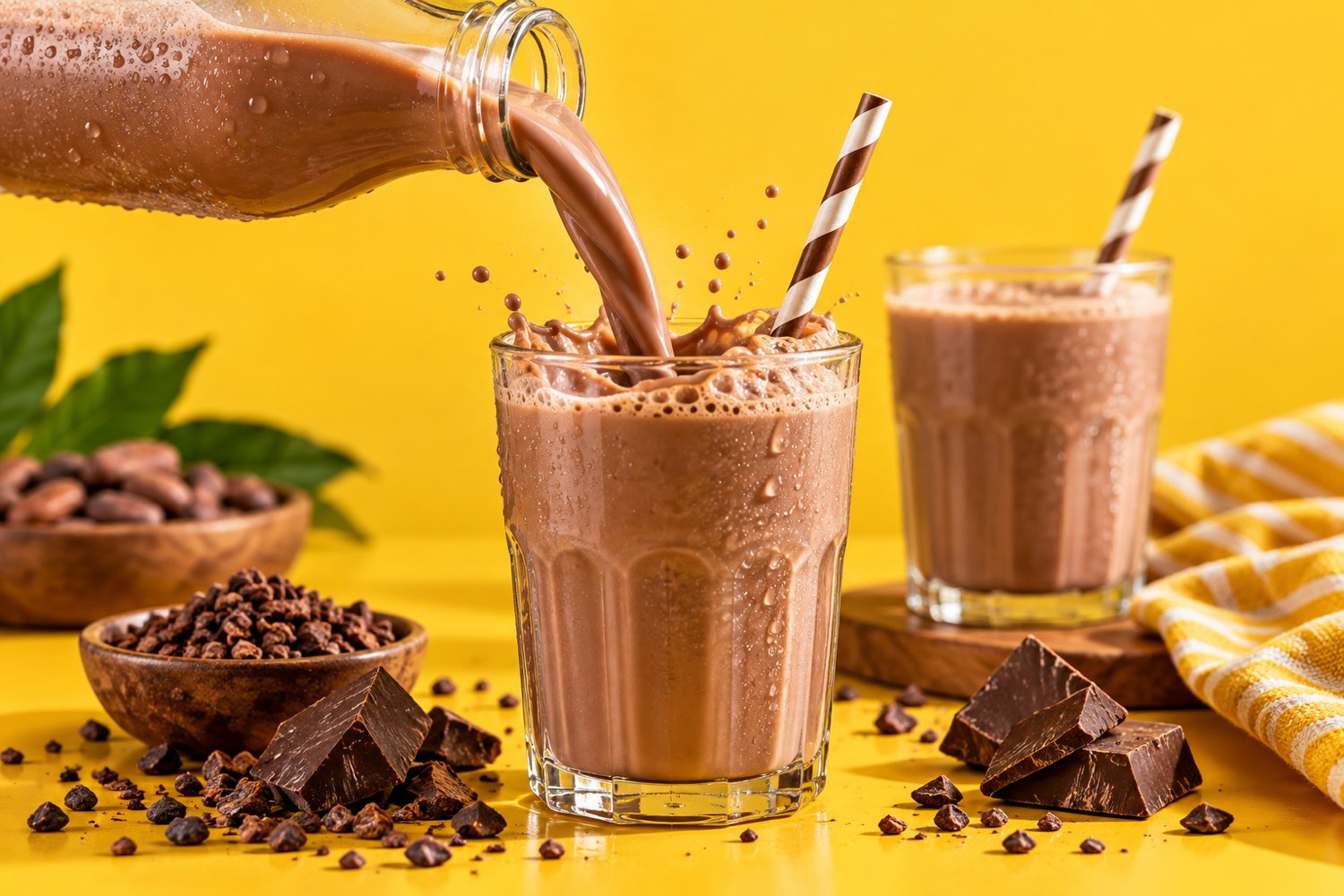
Up to 90% less added sugarReduced-Sugar Chocolate Milk
Up to 90% less added sugar, still creamy and craveable.
See the formulation →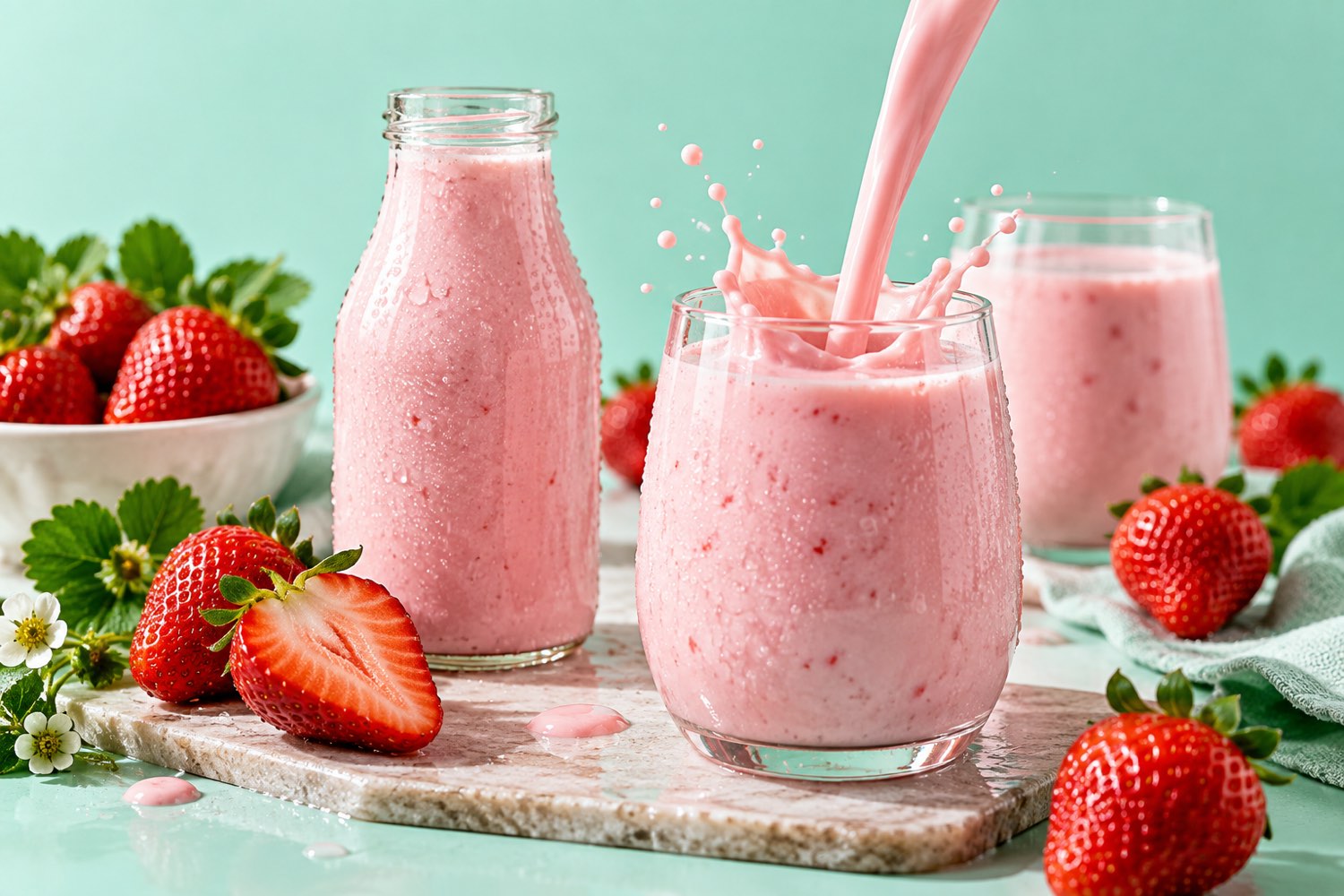 Up to 90% less added sugar
Strawberry Drinkable Yogurt
Dairy-smooth sweetness, up to 90% less added sugar.
See the formulation →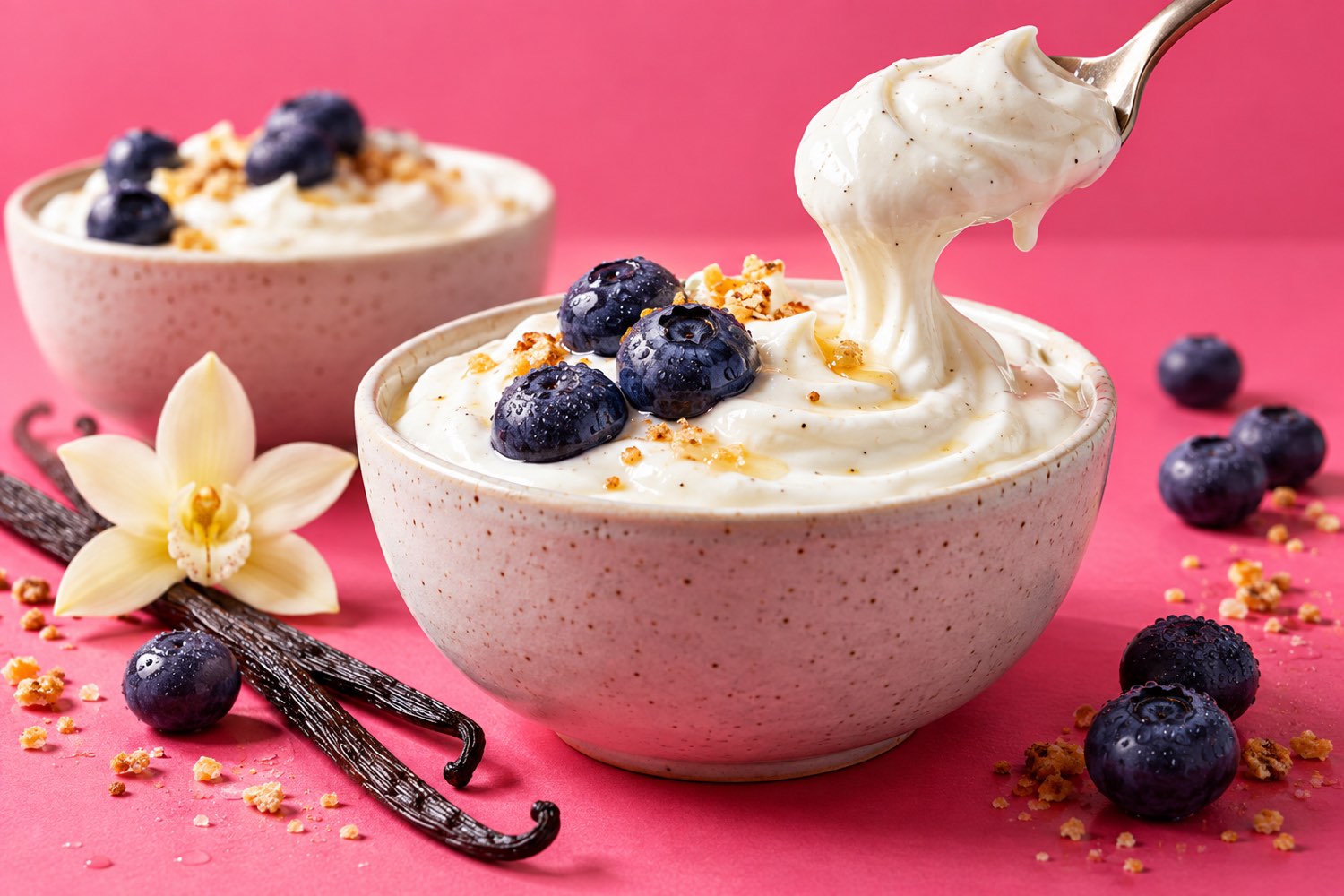 85 to 90% less added sugar
Vanilla Greek Yogurt Cup
Thick, tangy, and 85 to 90% lower in added sugar.
See the formulation →Keep going.
The product
What UnSugar is, the UnSugar System, and how teams evaluate it.
The science
What a sweet protein is and how it creates sweetness at low use levels.
Regulatory & safety
Our status stated precisely, and the documentation your QA team needs.
Sweet protein vs stevia
Why the two are often better together than apart.
Tell us what you’re building.
Share your category, current sweetener system and sugar-reduction goal. We’ll send a sample kit to your bench and help you run the first trial.