
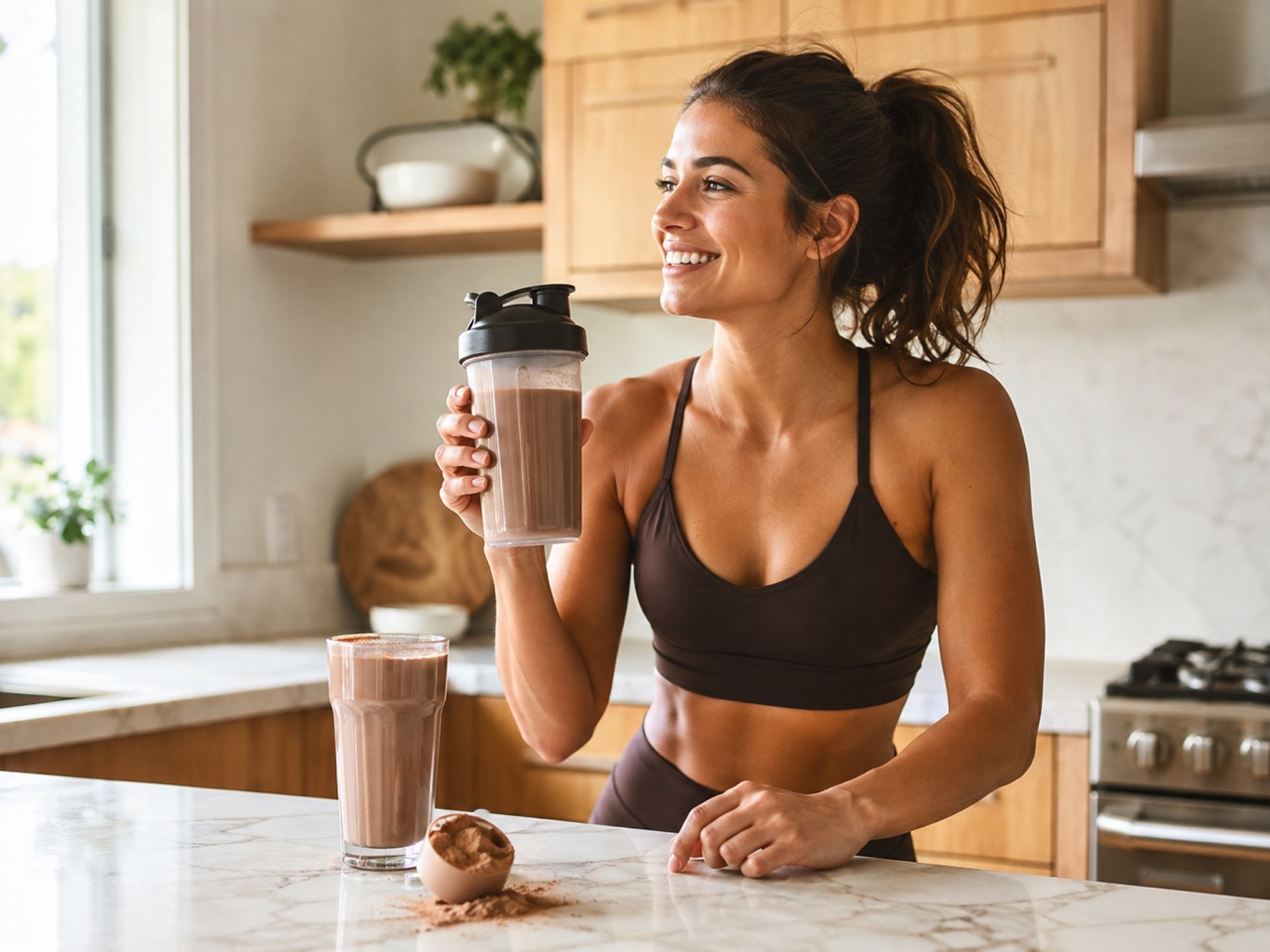
A sweetener story that belongs in protein-forward products.
Functional nutrition products often carry difficult flavor systems, high protein loads and strong expectations around sugar. UnSugar can be evaluated as part of the sweetness and masking architecture for powders, bars and ready-to-drink formats.
Sugar quietly undercuts the health message.
A bar or shake that is high in protein but high in sugar sends a mixed signal. A clean, low-sugar line lets the nutrition story land, and that is exactly where this category is heading.
Reduction depends on the product and requirements, and every number should be confirmed by bench testing in your own recipe.
Where the sweet protein fits.
What this does for your brand, not just your batch.
A lower sugar line that lets the protein and the function be the story. Confirm any on-pack wording with your regulatory review.
A clean sweetness on top that rounds out the protein and stevia off-notes, so it is genuinely drinkable and eatable, not a chore.
A sweet protein, digested like other dietary proteins and used at milligram levels, so it adds no sugars. Full safety and regulatory documentation is ready for your quality and regulatory teams.
Protein-forward formats commonly reach about 50 to 80%, depending on the base.
A good starting blend takes about 65% of the sweetness from the sweet protein and keeps about 35% from the sweetener you already use.
A worked dose you can follow.
Here is how the dose lands in a real formula, from your sugar target to the amount you actually weigh out.
A little goes a long way. UnSugar is 500 to 2,000 times sweeter than sugar, so you dose it in tiny amounts. Your applications team helps you dial in the exact amount for your product.
Then taste. Rest the trial about 15 minutes, then taste against your standard.
For a dry powder, switch to the sample powder. One gram of the sample powder carries the sweetness of about one kilogram of sugar. Because so little goes in, blend it in steps by geometric dilution, about 1 kilogram of the mix into 10 kilograms, then into the full batch, so the sweetness spreads evenly through a dry system.
These figures are formulation targets our applications team works to, confirmed in your own product by bench testing.
Heat, pH and the levers to watch.
| What to plan around | UnSugar in functional nutrition |
|---|---|
| UnSugar’s role | Clean sweetness plus off-note masking |
| Key interaction | Protein dryness, mineral and botanical bitterness |
| Dry blends | Works in dry powder systems; blend in by geometric dilution for even spread |
| Use level | Provided in the current technical data sheet. |
| Pairs with | Stevia, monk fruit, allulose, flavor modulators |
| Watch for | Dry-blend uniformity in powders; texture in bars |
The bar is simple: it tastes like something people finish.
We formulate to a reduced-sugar bar or shake that holds its own against your full-sugar control while the protein and function stay front and center. We dry-blend the sweet protein evenly, cut the sugar step by step, and confirm every number by bench testing in your own recipe.
The hardest flavor systems in the store
Functional nutrition asks a sweetener to do its job in the most hostile environment in the food industry. Whey and plant proteins bring dryness and cardboard or beany notes. Minerals and electrolytes are bitter and metallic. Vitamins and botanicals carry their own harsh flavors. Layer a heavy protein load on top of all that and you have a recipe that fights every attempt to make it taste good, which is exactly why these products have historically leaned so hard on sugar and on masking. The job of a sweetener here is as much masking as sweetening, and the two cannot really be separated.
Why a clean sweet protein is a good fit
UnSugar contributes a clean, sugar-like sweetness at milligram levels, and it can help mask the off-notes of the stevia and monk fruit these products so often rely on. Because it is used in such small amounts, it sweetens without adding meaningfully to the protein or carbohydrate lines on the panel, which matters in a category where the nutrition facts are a primary selling point. In a protein powder, dry-blend uniformity is the practical watch-item; in a bar, texture and water activity over shelf life; in a ready-to-drink shake, the same solubility and stability considerations as any beverage. In every case, the sweetness tool is one part of a masking-and-flavor architecture, not a standalone fix.
The GLP-1 tailwind, described carefully
This category also sits directly in the path of a real demand shift. With a meaningful share of US adults now using GLP-1 medications, purchasing has moved toward higher-protein, lower-sugar, smaller-portion products, and nutrition is the fastest-growing segment of sweet-protein demand as a result. That is a formulation opportunity, and it is the reason so many teams are briefing protein-forward, reduced-sugar products right now. It is worth being precise about the boundary, though: UnSugar is a food ingredient that helps you build those products' sweetness, and nothing on this site should be read as a medical, therapeutic or weight-management claim. The opportunity is real; the claims discipline around it has to be just as real.
Serving economics, the number that decides the project
Functional products live or die on cost per serving, and this is where the milligram-scale use level of a sweet protein becomes a commercial argument rather than just a technical curiosity. Because so little ingredient delivers the sweetness, its contribution to the cost of a serving is evaluated against the sugar and masking system it replaces, not against its own headline price per kilogram. In a bar or a shake already carrying an expensive protein and a stack of vitamins, a clean sweetness that lets you simplify the masking system can even take cost out elsewhere. The honest way to model it is total formulated cost-in-use at the target sugar reduction and the target sensory score, and that is a model our applications and commercial teams will build alongside yours rather than hand you a number to trust.
Tell us the format, the current sweetener system and the reduction target. We will come back with the most useful first evaluation step.
Product types in this category.
The job here is usually masking as much as sweetening: balancing sweetness with protein, minerals, botanicals, vitamins, acids and flavors while keeping serving-level economics and label strategy realistic.
What we need from you.
Format, protein source and load, current sweetener and masking system, target reduction, serving economics, and the label or claim objective driving the project.
Straight answers.
Does UnSugar help with protein off-notes?
It can contribute clean sweetness and help mask off-notes associated with stevia and monk fruit in the system. How far that goes in your specific protein base needs bench confirmation.
Does it add to the protein content on the panel?
Not meaningfully. It is used at milligram levels for sweetness, not as a nutritional protein source.
Can UnSugar support a weight-loss or medical claim?
No. UnSugar is a food ingredient. We do not make claims about weight loss, diabetes management or any medical outcome, and product claims must go through your own regulatory review.
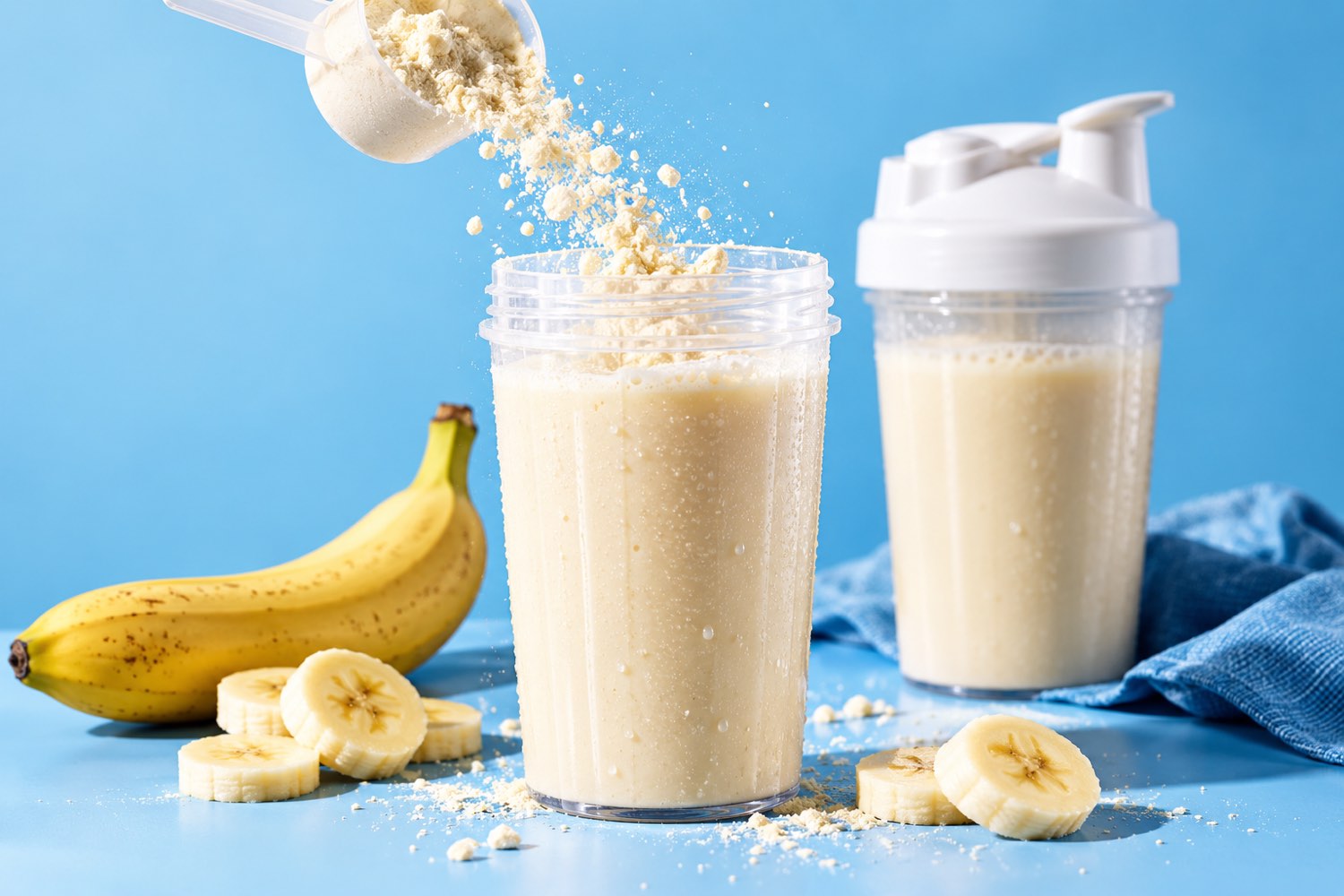
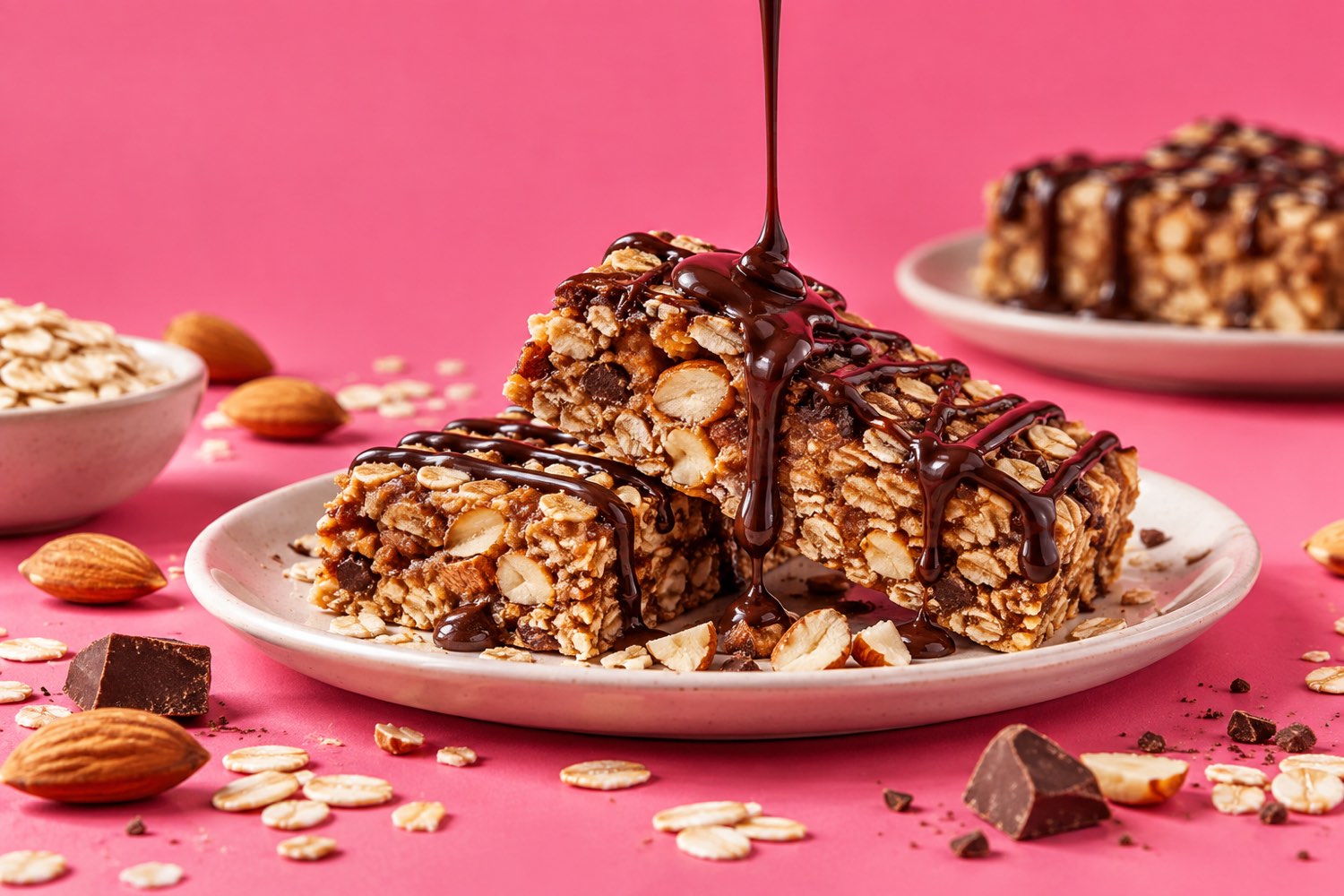
Functional Nutrition recipes to start from.
Reduced-sugar starter formulations in this category, each with the blend and a worked dosing example.
Keep going.
The product
What UnSugar is, the UnSugar System, and how teams evaluate it.
The science
What a sweet protein is and how it creates sweetness at low use levels.
Regulatory & safety
Our status stated precisely, and the documentation your QA team needs.
Sweet protein vs stevia
Why the two are often better together than apart.
Tell us what you’re building.
Share your category, current sweetener system and sugar-reduction goal. We’ll send a sample kit to your bench and help you run the first trial.