
Sweet protein vs stevia: comparison or combination?
Stevia is an established plant-derived high-intensity sweetener. Sweet proteins offer a different route to sweetness. In many formulations the more useful question is not which one wins, it is how the ingredients can work together.
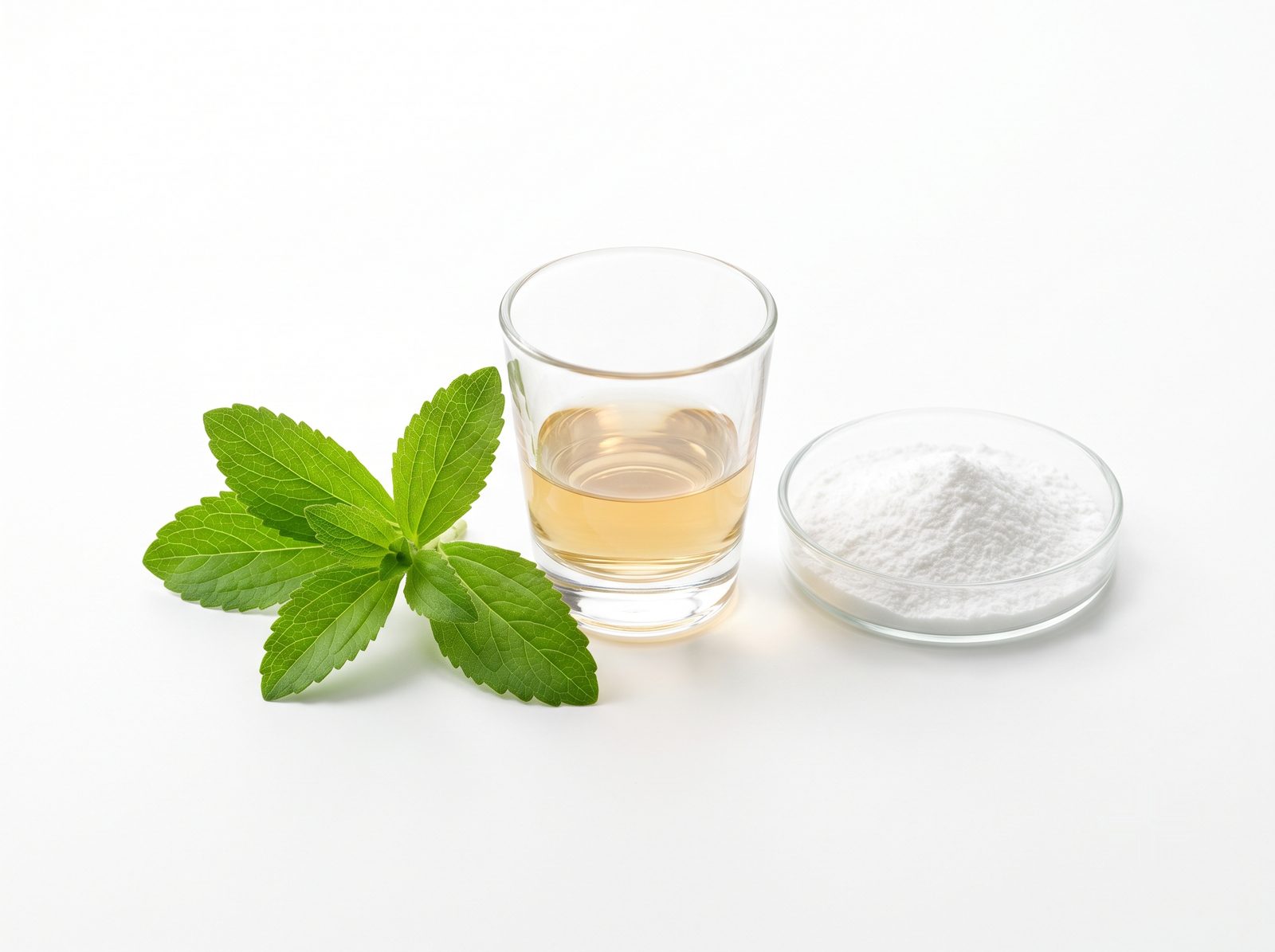
Stevia alone
- Well understood, widely accepted on label
- Multiple suppliers, mature supply
- Bitter or licorice finish at higher levels
- Caps how deep a sugar cut can go
Sweet protein + stevia
- Keeps the system you already tuned
- Helps mask stevia off-notes
- Lets the sugar cut go deeper
- Reduces reliance on any one ingredient
Sweet protein alone
- Clean, sugar-like profile
- Protein-based label story
- Newer category, evaluate supply
- Still needs bulk rebuilt in structural products
Where stevia is strong
Credit where it is due. Stevia is well understood, widely accepted on label, available from multiple suppliers, and the newer steviol glycosides such as Reb M are far cleaner than the early material that gave the category its reputation a decade ago. Its bitterness has a known mechanism, involving specific bitter-taste receptors, which is why it is predictable. If stevia is already working in your system, the goal is rarely to remove it, and any honest comparison has to start there.
Where the friction shows up
The familiar complaint is the finish: a bitter or lingering note that grows as you push the level up. That is the wall most teams hit. You can cut sugar to a point, and past that point the sensory panel starts scoring the aftertaste instead of the product. The result is a hard ceiling on reduction that no amount of extra stevia can lift, because adding more of the ingredient adds more of the very note that is capping you.
The combination case
In our applications work, and consistent with published sensory studies, adding the sweet protein to a stevia or monk fruit system reduces the perceived bitter and lingering finish. That is the practical reason to look at a blend rather than a swap. It carries a gentle, clean sweetness on the finish, not the bitter or licorice tail of stevia or monk fruit. In sparkling and alcoholic drinks that clean finish can be a plus. Used together, a sweet protein can round out the profile that stevia leaves rough, lifting the ceiling so the sugar cut can go deeper than either ingredient could reach alone. A blended system may also reduce dependence on any single ingredient or supply chain. Sensory testing in the real product is essential, because masking depends on the recipe, but the direction is consistent enough that it is usually the first thing worth trying.
| Attribute | Sugar | Stevia / Monk fruit | UnSugar |
|---|---|---|---|
| Taste | Clean | Bitter or lingering | Clean, sugar-like |
| Contributes sugars or carbohydrate | Yes | No | No (a protein) |
| Used as | Bulk carbohydrate | High-intensity sweetener | High-intensity sweet protein |
| Sweetness vs sugar | 1x | 200 to 350x | 500 to 2,000x |
| Works with other sweeteners | Yes | Yes | Yes, and rounds out their off-notes |
| Replaces sugar's bulk | Yes | No | No |
| Cost-in-use | Low | Premium | Judged on a sugar-equivalent basis at the real use level; ask for a live quote |
Directional comparison for evaluation planning. These figures are formulation targets our applications team works to, confirmed in your own product by bench testing.
How to run the test so the result is trustworthy
The most common evaluation mistake is changing two things at once and not knowing which one moved the score. Keep the method clean. Start with your current stevia system as the control, at the sugar level it currently allows. Then add UnSugar as a single new variable and re-test at the same sugar level to isolate what the sweet protein contributes to the profile. Only once you can see its masking effect clearly should you begin pushing the sugar down, step by step, watching where the panel scores hold and where they break. Run it blind, against your real reference product rather than an idealized target, and use a trained panel where you can. Done this way, a handful of iterations will tell you not just whether the blend works but exactly how much extra reduction it buys you, which is the number your business case actually needs.
What it means for your label and your supply plan
A blend also has consequences beyond taste. Two recognized, non-artificial sweetness sources can give a cleaner ingredient statement than a longer list of masking agents, and a protein-based component adds a story most competitors are not telling. On supply, pairing a plant-based ingredient with a botanical one hedges you against the weather, harvest and single-region risks that a pure-stevia strategy carries. None of this replaces a formal regulatory and procurement review, but it is the kind of upside that makes the blend worth evaluating even for teams whose stevia system is, on taste alone, already close to acceptable. The teams that benefit most are usually the ones a few points of sensory score away from their target, where a modest lift in the finish is the difference between a reformulation that launches and one that goes back to the bench.
Try the blend on your own bench.
Tell us what you’re building. We’ll send a sample kit, the sample bottle and sample powder, and help you plan the first bench trial.
The questions teams ask us first.
Do we have to remove stevia to use UnSugar?+
No. UnSugar is frequently evaluated inside systems that already use stevia, with the aim of improving the profile and allowing a deeper sugar cut.
Does UnSugar remove stevia bitterness completely?+
It can help mask the off-notes associated with stevia. How far that goes depends on your recipe, the glycoside used and the level, so it needs bench confirmation.
Which should we test first?+
Start with your current system as the control, then evaluate UnSugar as an addition to it. That isolates what the sweet protein is actually contributing.