Cutting Sugar in Carbonated Soft Drinks by 70 to 80%
A regular soda is mostly water, sugar, acid and gas. Here is how far a sweet protein can take you, what goes wrong first, and a bench plan for both full-sugar and diet formulas.

Formulation guide: beverages · Reviewed by the UnSugar applications team
A regular soda is mostly water, sugar, acid and gas. Take out most of the sugar and you find out how much work it was doing. Here is how far a sweet protein can take you, what goes wrong first, and a bench plan for both full-sugar and diet formulas.
The short version
In most carbonated soft drinks, UnSugar Sweet Protein can carry 70 to 80% of the sweetness. Keep the rest from sugar or your current sweetener for a quick start and some body. In a cola at 100 g of sugar per liter, a 75% swap leaves 25 g of sugar and needs about 75 mg of sweet protein per liter. For a diet soda, cut your sucralose or aspartame to about a third and let the sweet protein carry the rest.
What sugar does in a soda
People think of sugar in a soda as sweetness. It is doing three jobs:
- Sweetness, at a level shoppers know by heart.
- Body. A 12 oz can of regular soda carries close to 40 g of sugar. That is what makes it feel like more than flavored water.
- Taming the bite. Phosphoric or citric acid and the carbonation both add sharpness. Sugar rounds it off.
A sweet protein covers the first job at a tiny dose. It does nothing for the second, because milligrams cannot replace grams. The third you handle with your acid and your blend. That is the whole game.
Why 70 to 80%, and not 100%
We can push a still lemonade further than a soda. Carbonation changes how sweetness and acid read, and a fully sugar-free regular soda tends to taste thin no matter what carries the sweetness. So for regular sodas we stop at 70 to 80% and keep a little sugar or a bulking sweetener for body.
If the brief is a full zero-sugar product, that is a diet soda, and the approach is different. See the diet section below.
The worked example: a cola at 100 g of sugar per liter
| Full sugar | 75% swap | |
|---|---|---|
| Sugar | 100 g per liter | 25 g per liter |
| Sweetness from UnSugar Sweet Protein | none | 75 g sugar-equivalent |
| UnSugar Sweet Protein, liquid (50 g per liter concentrate) | none | 1.5 mL per liter |
| UnSugar Sweet Protein, powder | none | 75 mg per liter (75 ppm) |
The math is the same every time. UnSugar Sweet Protein is 1,000 times sweeter than sugar, so 1 gram of powder does the sweetening work of 1 kilogram of sugar. With the liquid, every 1 mL replaces the sweetness of 50 g of sugar.
Our Reduced-Sugar Sparkling Citrus Soda uses the same method in a 355 mL serving that started at about 39 g of sugar. About 75% of its sweetness comes from the sweet protein, with a small amount of allulose to bring back body.
The two things you will notice at the bench
UnSugar Sweet Protein tastes clean and sugar-like, with no bitter or metallic note. It differs from sugar in timing:
- It arrives about a second later. Keep part of the sweetness from a fast sweetener, sugar or your current one, so the first sip lands where it should.
- It stays a little longer. In a soda, the fix is acid. Raise your acid by about 10% and the finish shortens. A pinch of salt helps too.
If the sample tastes thin, that is the missing sugar, not the protein. Add body with a little allulose, a soluble fiber, or a gum such as xanthan, guar or gellan. More sweetener will not fix body.
Diet sodas: replacing sucralose or aspartame
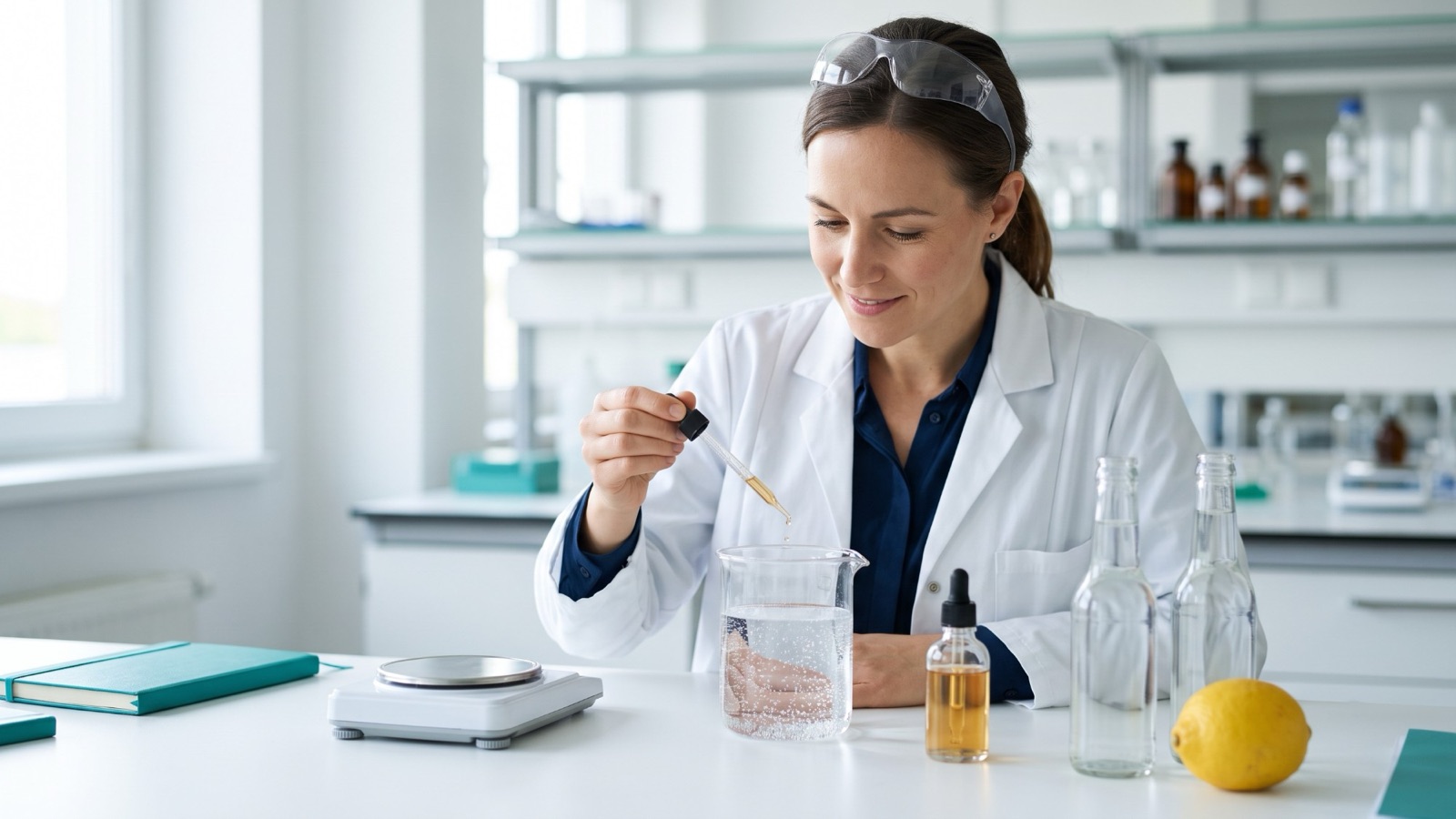
If your brief is to cut back on sucralose or aspartame, a sweet protein works best as a partner, not a straight swap.
Our bench rule: cut the existing sweetener to about a third, and let UnSugar Sweet Protein carry the rest.
| Starting sweetener (per liter) | Blend after the swap (per liter) |
|---|---|
| Sucralose, 200 mg | Sucralose 70 mg, plus UnSugar Sweet Protein for 65% of the sweetness |
| Stevia, 300 mg | Stevia 105 mg, plus UnSugar Sweet Protein for 65% of the sweetness |
At a sweetness of 100 g of sugar per liter, that 65% share is about 1.3 mL of the liquid or 65 mg of the powder per liter. Run it for a week with that single line changed. In our bench examples, the sweetness turns rounder and the bitter edge of the original sweetener drops away. For aspartame, use the same starting point and let your bench decide the final split.
Processing, acid and the line
- Heat. UnSugar Sweet Protein holds its sweetness up to about 98 °C (208 °F). Pasteurized and hot-filled drinks sit inside that range.
- Acid. The liquid is supplied at about pH 4.0, and published literature puts its working range at pH 2.5 to 10. Acidity is the hardest test for any sweetener, so ask for our pH behavior note before you plan a long shelf-life trial.
- Dosing. Stir the dose into a few liters of batch water first, then add it while the tank is mixing. Never dose a concentrate by drops.
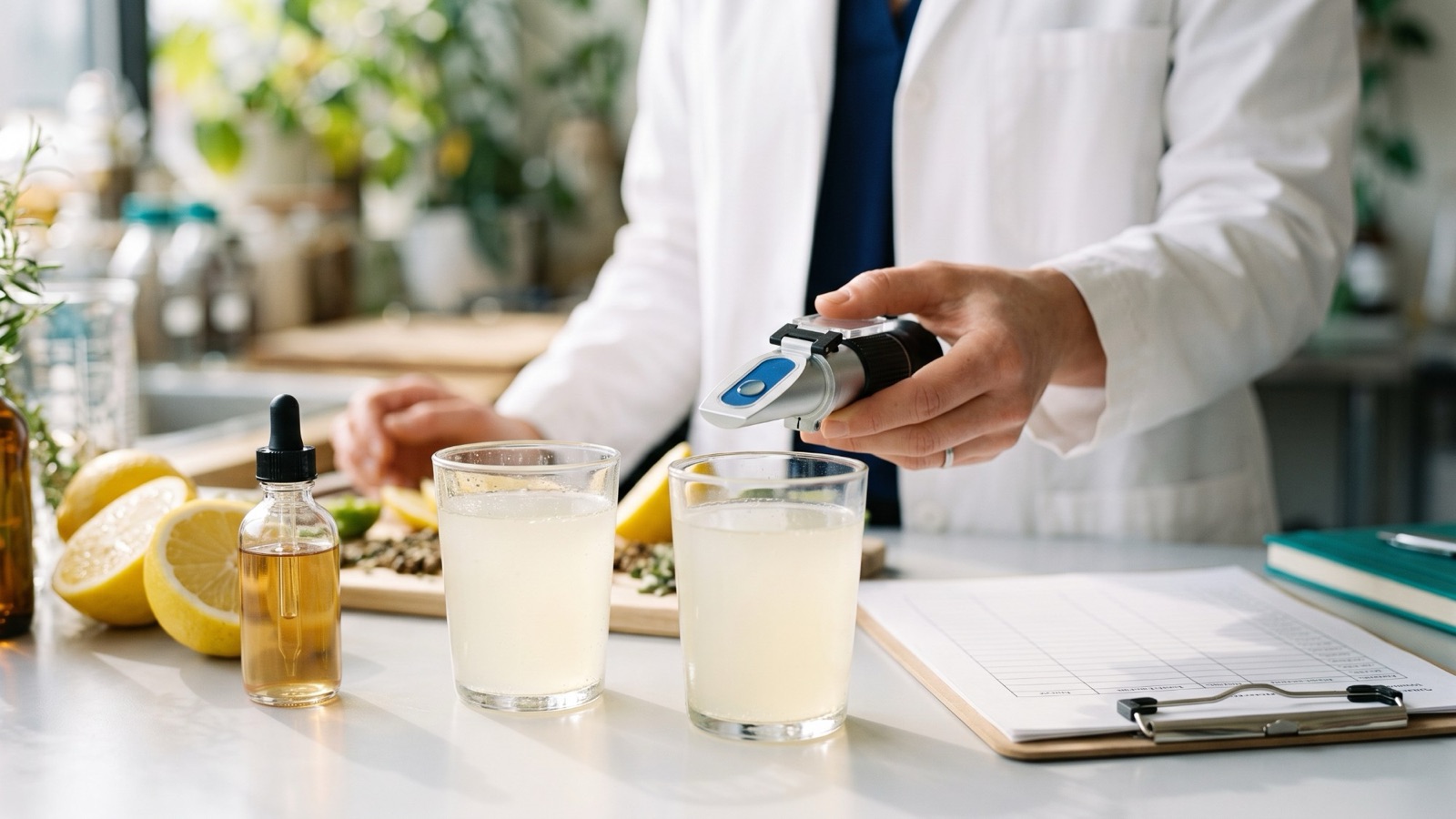
- Brix. Your Brix reading will drop a lot, and your sweetness will not. If your syrup room checks sweetness by refractometer, read why Brix stops working after you cut sugar before your first plant run.
A one-week bench plan
- Day 1: lock your control. Make your best full-sugar or current diet version. Everything is judged against it.
- Day 2: make three blends at once. 80/20, 65/35 and 50/50 (sweet protein to existing sweetener). Change nothing else.
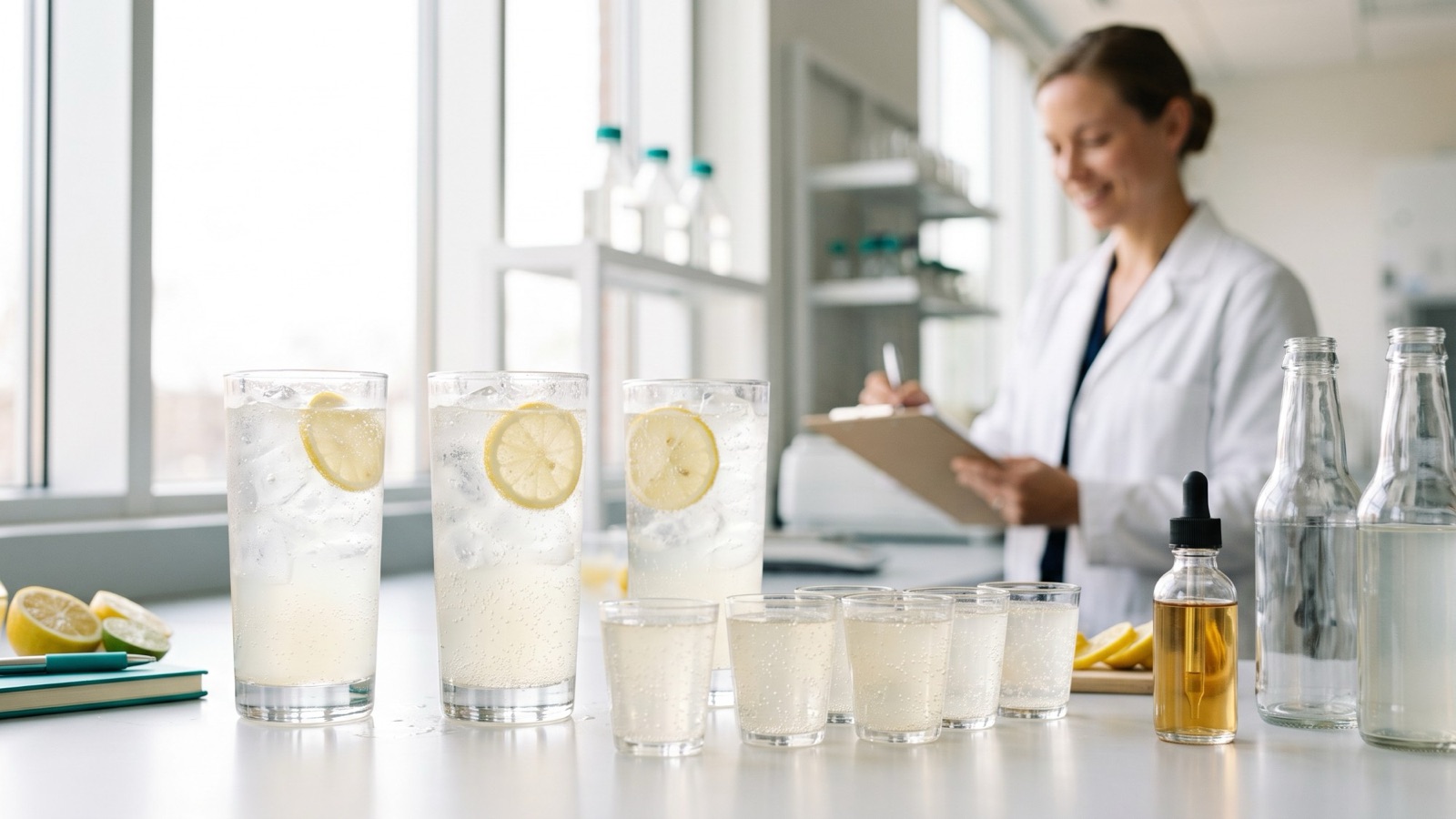
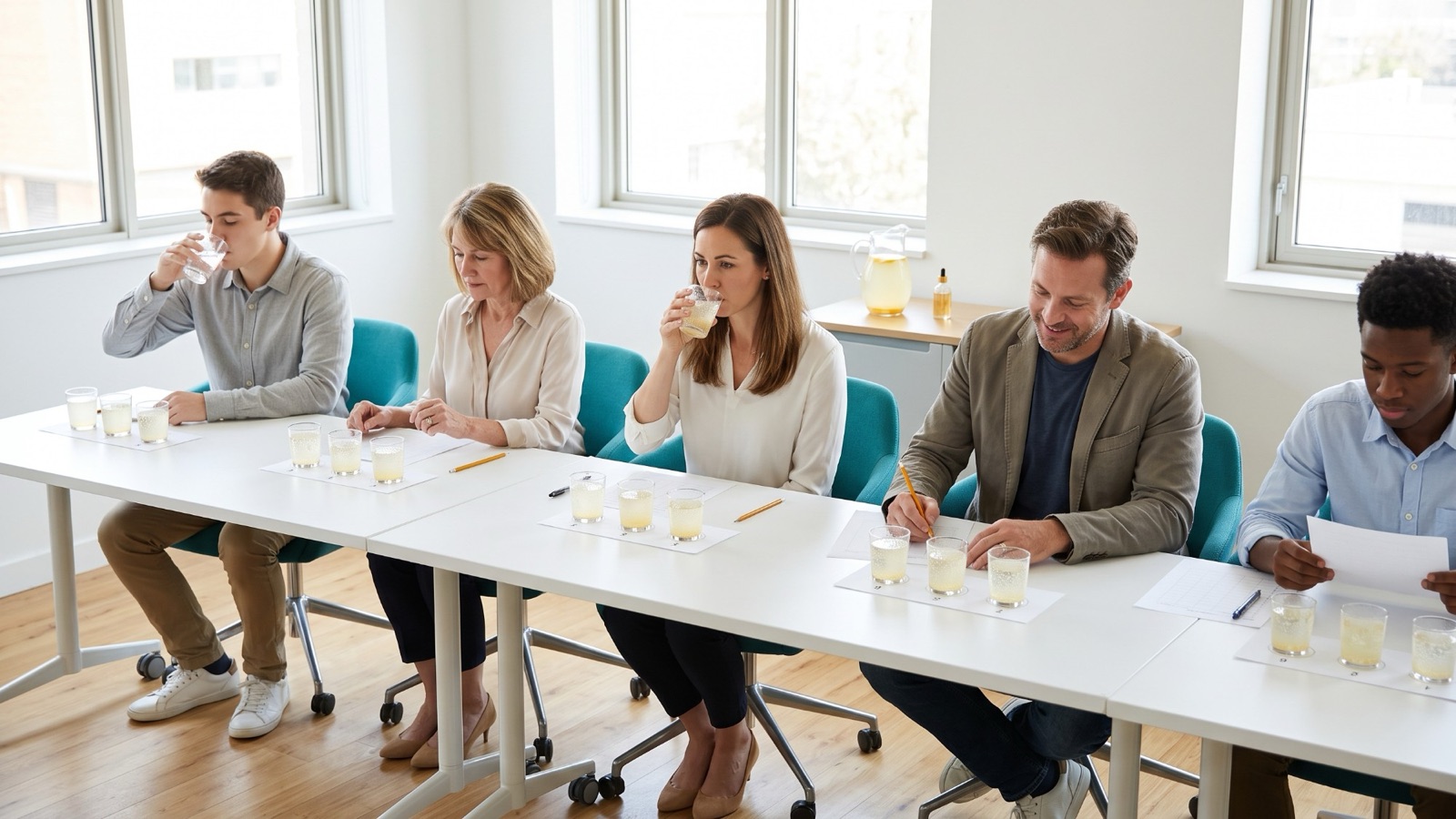
- Day 3: taste them carbonated, blind. Taste the finished, carbonated drink, not the syrup. Let each sample stand 15 minutes, number the glasses, and have someone else pour. Six to twelve tasters is plenty. Ask "how sweet is it?" and "do you like it?" as two separate questions.
- Days 4 and 5: one lever at a time. Long finish: acid up about 10%. Thin: add body. Flat start: shift a little more sweetness back to the fast sweetener.
- End of week: decide. If your panel cannot pick the reduced version from the control, you have a pilot candidate.
Our applications team will work that first trial with you and confirm the exact dose for your product.
Get UnSugar Sweet Protein on your bench
Samples are free for qualified food and beverage teams: a 100 mL liquid bottle or powder packets of 1 g, 2 g or 10 g, with a sample guide and dosing help. One gram of powder can replace up to about 1 kg of sugar.
Quick answers
How much sugar can you take out of a carbonated soft drink? With UnSugar Sweet Protein, carbonated drinks usually land at 70 to 80% less sugar. Keep the rest from sugar or a bulking sweetener for body. Bench testing in your own product confirms the final number.
What can replace sucralose or aspartame in a diet soda? A blend works better than a single swap. Cut the existing sweetener to about a third and let UnSugar Sweet Protein carry the remaining sweetness. In our bench examples the blend tastes rounder, with less bitterness.
How much sweet protein goes into a liter of soda? In a cola at 100 g of sugar per liter, a 75% swap needs about 75 mg of UnSugar Sweet Protein powder per liter, or 1.5 mL of the liquid. Our applications team confirms the dose for your formula.
Will a reduced-sugar soda taste thin? It can, because sugar gave the body. Add a little allulose, a soluble fiber or a gum. More sweetener does not fix body.
Does UnSugar Sweet Protein survive soft drink processing? It holds its sweetness up to about 98 °C (208 °F), which covers pasteurization and hot fill. Ask for our pH behavior note for long shelf-life work in high-acid drinks.
Why does my Brix reading drop when the soda still tastes sweet? Brix measures dissolved solids, mostly sugar. A sweet protein is used at milligram levels, so it barely registers. Set a new Brix spec for the reduced formula and check sweetness by tasting. More on this in why Brix stops working after you cut sugar.
About UnSugar
UnSugar Sweet Protein is a sweet-protein ingredient that helps US food and beverage teams cut sugar while keeping the taste. It is 1,000 times sweeter than sugar and replaces 60 to 90% of the sugar in suitable formulations. UnSugar Sweet Protein is self-affirmed GRAS for its intended use in food and beverage, and a GRAS Notice has been submitted to the U.S. FDA and assigned GRN 1338, with the no-questions response awaited. Contact sales@goUnSugar.com.
Reduction figures and doses are formulation targets, confirmed by bench testing in your own product. Performance and labeling depend on the finished formulation, use level, market and applicable regulations; confirm any on-pack wording, including "zero sugar" or "diet," with your regulatory team. We make no health, glycemic or calorie claims for UnSugar Sweet Protein.
Want to taste it in your product?
Request samples and the technical spec, and our team will help you plan the evaluation.
Request Samples →