Where sweet proteins fit across categories
A category-by-category guide to where UnSugar Sweet Protein is an easy win, where it needs a supporting system, and where it is a stretch.

A sweet protein delivers sweetness at milligram doses and little else, so it is an easy win where a category leans on sweetness and taste, and it needs a supporting system where the category leans on sugar for bulk, structure, or browning. That single fact tells you most of what you need to scope a project before you run a trial.
UnSugar Sweet Protein is a sweet protein, the kind of sweetness found in fruit. Two properties matter for placement. It is about 500 to 2,000 times sweeter than sugar by weight, so a few milligrams can carry a formula. And it is a small protein whose sweetness is reported in the literature across roughly pH 2.5 to 10 and that holds its sweetness in high-moisture heat steps, which suits acidic and thermally processed systems. Confirm behavior in your own trials.
Where is it an easy win?
In these categories the primary job is sweetness and taste balance, which is exactly what a sweet protein is built to do. How far it can carry the sweetness in a blend depends on the category, and dairy and sweet fruity products can go up to about 90%.
Beverages
Beverages are the clearest fit. In most drinks, sweetness is the majority of what sugar contributes, and the rest is water, acid, flavor, and carbonation. The sweet protein's sweetness is reported in the literature across roughly pH 2.5 to 10, which covers colas, citrus sodas, sports drinks, and flavored waters, and it dissolves easily and is highly water-soluble. Carbonated drinks sit around 70 to 80% for how far it can carry the sweetness. It also rounds out the bitter or licorice linger many reduced-sugar drinks inherit from stevia or monk fruit. Confirm hold through your pasteurization or hot-fill step.
Dairy and yogurt
Dairy is a strong fit. Yogurt and cultured drinks bring their own tartness, and the sweet protein's clean sweetness balances that acidity without adding carbohydrate. It holds through culture and through the heat steps typical of dairy processing, which makes it practical for drinkable yogurts, spoonable cups, and flavored milks. Because you sweeten at milligram doses, you avoid the added sugars that inflate a dairy label.
Sports nutrition and functional powders
Powders are a strong fit, and the reason is masking as much as sweetness. The real problem in protein shakes, pre-workouts, and electrolyte mixes is covering the bitterness and astringency of the proteins and actives already in the bowl. A clean high-intensity sweetener that plays well with other maskers is genuinely useful here, and the protein-based label fits the audience. It is water-loving and dissolves easily, so mix it into a dry blend in steps, about 1 kg into 10 kg, then into the full batch, so it spreads evenly.
Where does it need a little help?
Some categories carry more added sugar than people expect and run at low pH, which suits the sweet protein, but they ask a bit more of the formula.
Sauces, spreads, and condiments
Ketchup, barbecue sauce, sweet chili, dressings, and many spreads carry a surprising amount of added sugar, and their low pH plays to the sweet protein's stability. The caveat is that sugar in a sauce sometimes contributes body and cling, not only sweetness. In thinner condiments you can often sweeten and lose little. In thicker spreads you may need a little fiber or allulose to keep the texture you expect. A vinaigrette behaves very differently from a fruit spread, so scope each recipe on its own.
Where is it a system project?
Here the honest answer is that a sweetener alone will not carry the formula. Sugar is bulk, texture, and browning in these products, and you rebuild those separately. Very sweet products such as syrups and confectionery usually run nearer 50% for how far the sweet protein carries the sweetness.
Confectionery and chocolate
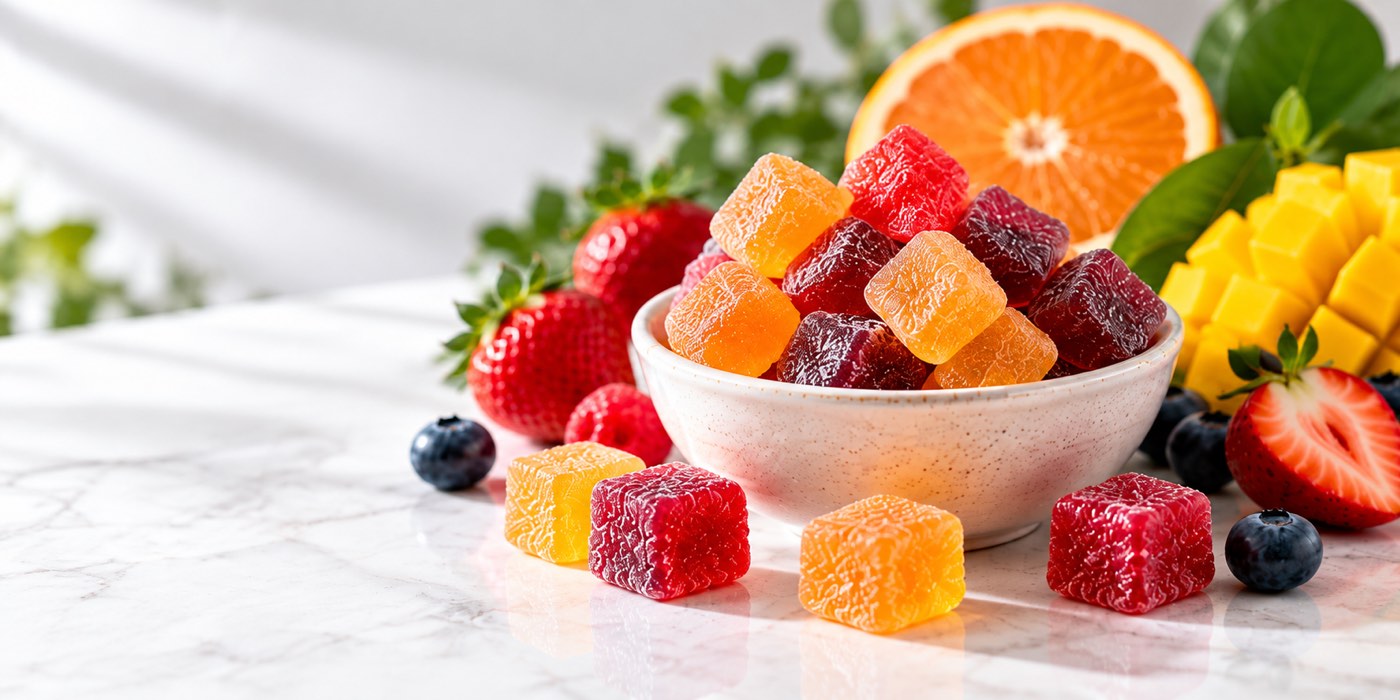
Confectionery needs a system. In hard candy, caramels, gummies, and chocolate, sugar is the bulk of the mass and sets the structure. Pair the sweet protein with allulose or other bulking ingredients, and often fibers that also manage texture and water activity. In fatty, low-water systems such as chocolate and fat fillings, the sweet protein can sit in patches, so carry it in through a dry or water-containing phase, or use an emulsifier such as lecithin, to spread it evenly.
Bakery and snacks
Bakery also needs a system. The sweet protein holds through high-moisture bakes, but you rebuild everything else sugar does: browning, moisture, and crumb structure. For crisp snap in a baked good, lean on rice flour or corn starch plus a longer, cooler bake rather than sugar's crystallization. Expect to combine the sweet protein with bulking and moisture-holding ingredients and to iterate on color and texture, not just taste.
The stretch: tabletop and blends
Tabletop sweeteners are the toughest ask for a pure sweet protein. A consumer expects to scoop a spoon of product and get a spoon of sugar's sweetness and volume. At these potencies, the active weighs almost nothing, so a usable tabletop product needs a bulk carrier such as allulose or a fiber to provide the spoonable volume. The sweetness is easy. The bulk is the whole engineering problem.
The pattern behind the ratings
| Tier | Categories | Why |
|---|---|---|
| Easy win | Beverages, dairy, functional powders | Sweetness and masking are most of the job |
| Good fit | Sauces, spreads, condiments | Cutting hidden sugar with light body work |
| System project | Confectionery, chocolate, bakery | Sugar is bulk, structure, and browning |
| Stretch | Tabletop and blends | Bulk is the whole problem |
One more grounding point for every category: the sweet protein is digested as a protein, not a sugar, and doses are in milligrams, so it contributes no sugars and negligible calories. That holds whether the product is a soda or a cookie.
To scope a project, ask what sugar is really doing in your formula. If the answer is mostly sweetness, Request Samples and run a fast bench trial. If sugar is also holding structure, request the technical data sheet and plan for a supporting system.
Want to taste it in your product?
Request samples and the technical spec, and our team will help you plan the evaluation.
Request Samples →