Sugar Reduction Ingredients: A 2026 Guide for Food and Beverage Manufacturers
Stevia, monk fruit, allulose, erythritol, sucralose or a sweet protein? Here is what each sugar reduction ingredient does, where it fits, and how to choose for your product.

Buyer's guide
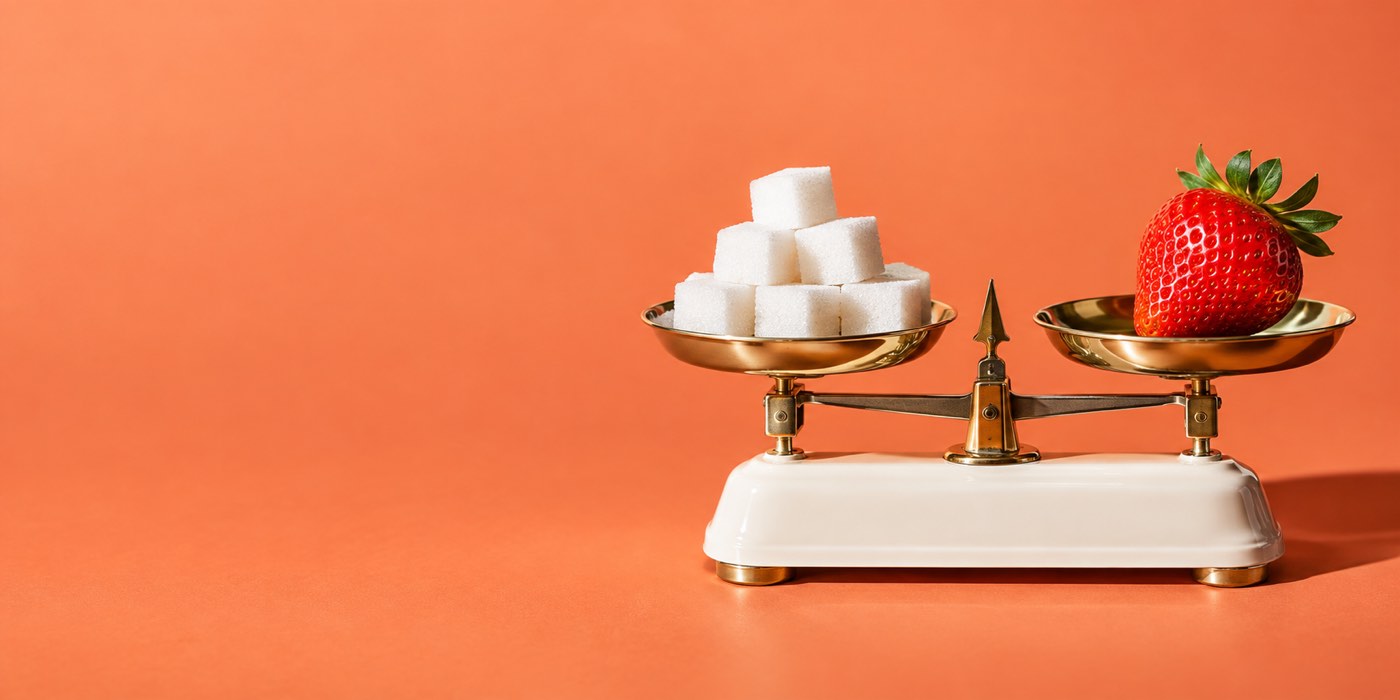
Most teams that set out to cut sugar start by asking "which sweetener should we use?" It is the wrong first question. Sugar does several jobs in a recipe, and no single ingredient replaces all of them. The teams that get to a product people buy again start by asking which of sugar's jobs they need to replace.
A quick note on where we stand: we are UnSugar, and we supply a sweet protein. So this guide covers every main option fairly, says where each one is the better choice, and then shows where ours fits.
The 30-second version
- Sugar does two kinds of work: it makes food sweet, and it gives food body, browning and texture.
- High-intensity sweeteners (stevia, monk fruit, sucralose, sweet proteins) replace the sweetness. You use tiny amounts.
- Bulk sweeteners (allulose, erythritol) replace the body. You use them by the spoonful.
- Most successful reduced-sugar products use a blend, not one ingredient.
- Choose by category, label, process and cost in use, then test in your own product.
Sugar does more than sweeten

Take the sugar out of a recipe and you lose more than sweetness. Sugar also:
- Adds bulk. In a cookie or a bar, sugar is a large part of the weight.
- Browns. It gives baked goods their color and caramel notes.
- Builds mouthfeel. It gives a drink its body.
- Controls texture. It keeps ice cream soft and baked goods moist.
That is why a soda and a cookie need different answers. In a soda, sugar is there mostly for sweetness and a little body. In a cookie, it holds the whole structure together.
The two families of sugar reduction ingredients
High-intensity sweeteners are many times sweeter than sugar, so a very small amount does the sweetening. They do not replace bulk.
Bulk sweeteners are close to sugar in sweetness and are used in similar amounts. They replace body and texture, and some of them brown.
Here is how the main options compare.
| Ingredient | Family | Sweetness compared with sugar | What it does well | What to watch for |
|---|---|---|---|---|
| Stevia (steviol glycosides) | High-intensity, from a plant leaf | 200 to 400 times | Widely available, well known to shoppers, many grades | A bitter or licorice-like aftertaste at higher doses |
| Monk fruit extract | High-intensity, from a fruit | 100 to 250 times | Rounder taste than stevia for many people | Cost and supply; a lingering sweetness at higher doses |
| Sweet proteins | High-intensity, proteins | UnSugar Sweet Protein: 1,000 times. Thaumatin: 2,000 to 3,000 times | Sugar-like taste, tiny use level, works alongside other sweeteners | Each sweet protein behaves differently; check heat and process fit for your product |
| Sucralose | High-intensity, artificial | 600 times | Stable, low cost in use, familiar to formulators | Many brands are moving away from artificial sweeteners on the label |
| Aspartame and acesulfame potassium | High-intensity, artificial | 200 times each | Long history in diet drinks, low cost | Same label concern; often used as a pair to balance taste |
| Allulose | Bulk, a rare sugar | About 70% as sweet | Bulk, browning and a clean taste | Cost, serving-size limits, and it is not authorized in every market |
| Erythritol and other sugar alcohols | Bulk | 25% to 100% as sweet, depending on the type | Bulk with few calories | A cooling taste; large servings can cause digestive discomfort |
Sweetness figures for stevia, monk fruit, thaumatin, sucralose, aspartame, acesulfame potassium and sugar alcohols are from the US Food and Drug Administration.
Which ingredients fit which product
| Product | What sugar is doing | A sensible place to start |
|---|---|---|
| Soft drinks, teas, sports drinks | Mostly sweetness, a little body | A high-intensity sweetener or a blend of two. Add body with fiber or a small amount of a bulk sweetener if the drink feels thin. |
| Flavored milk, yogurt, dairy drinks | Mostly sweetness; the dairy brings the body | One of the easiest places to make a deep cut with a high-intensity sweetener. |
| Cookies, cakes, pastries | Sweetness, bulk, browning, moisture | A bulk sweetener for structure and browning, plus a high-intensity sweetener to bring the sweetness back up. |
| Protein bars and snacks | Sweetness, binding, texture | A bulk sweetener or fiber syrup for binding, plus a high-intensity sweetener that does not add bitterness to the protein. |
| Sauces, ketchup, dressings | Sweetness and balance against acid | A high-intensity sweetener, adjusted for the acid and salt in the recipe. |
For starter formulations by category, see our pages on beverages, dairy, bakery and confectionery and sauces and dressings.
Why a blend usually beats a single ingredient

Every sweetener has a shape. Some arrive fast and fade fast. Some arrive late and linger. Some carry a bitter tail. Sugar itself rises quickly, stays, and finishes clean.
When you blend two sweeteners with different shapes, each covers the other's weak spot, and the result sits closer to sugar than either one alone. A blend also means you use less of each ingredient, which keeps any off-notes below the level people notice.
A starting point we use in the lab
Take about 65% of the sweetness from a sweet protein and about 35% from the sweetener you already use. Then adjust in your own product.
Five questions that decide your choice
- What is sugar doing in this product? Sweetness only, or structure as well? That tells you which family you need.
- What can go on your label? Decide early whether artificial sweeteners are acceptable for your brand and your retailers.
- What does your process do to it? Check how each ingredient behaves at your temperatures, your pH and over your shelf life.
- Where will you sell it? An ingredient accepted in the United States may not be authorized elsewhere. Check every market before you formulate.
- What does it cost in use? Compare the cost of delivering the same sweetness in your finished product, not the price per kilogram. A sweetener that is 1,000 times sweeter than sugar is used at about one part per thousand.
Our sweetener selection guide goes deeper on each question.
How to run a fair test

- Start from your best full-sugar version. That is your control.
- Change one thing at a time. Add the new sweetener first, then take sugar out in steps.
- Match the sweetness. Compare every option at the same sweetness as the control, in the real product, not in water.
- Taste blind. Score the first sip, 10 seconds and 60 seconds, so you catch aftertaste.
- Check again after your process and after storage. A sample that tastes right on the bench has to taste right at the end of shelf life.
Where UnSugar Sweet Protein fits
UnSugar Sweet Protein is a high-intensity sweetener from the sweet protein family, based on brazzein. It is 1,000 times sweeter than sugar, and it replaces 60 to 90% of the sugar in suitable formulations. It tastes like sugar, with no bitter aftertaste, and it works alongside the sweeteners you already use.
It comes in liquid and powder, and it holds its sweetness up to about 98 °C (208 °F). UnSugar Sweet Protein is self-affirmed GRAS for its intended use in food and beverage, and a GRAS Notice has been submitted to the U.S. FDA and assigned GRN 1338, with the no-questions response awaited.
Two examples from our starter formulations: classic lemonade with 65% less added sugar, and reduced-sugar chocolate milk with up to 90% less added sugar. These are formulation targets, confirmed in your own product by bench testing.
It does not replace bulk or browning. In baked goods and bars, it is the sweetness half of a blend with a bulk sweetener. For that pairing, see sweet protein vs allulose.
Quick answers
What are sugar reduction ingredients? They are ingredients that let food and beverage makers use less sugar while keeping taste and texture. They fall into two families: high-intensity sweeteners, which replace sweetness in tiny amounts, and bulk sweeteners, which replace body and texture.
What is the best sugar reduction ingredient for beverages? In most beverages sugar is there mainly for sweetness, so a high-intensity sweetener or a blend of two is the usual starting point. Stevia, monk fruit, sucralose and sweet proteins are all used. The right one depends on your label, your process and how the drink tastes after storage.
Can one ingredient replace sugar completely? Rarely. Sugar provides sweetness, bulk, browning and texture, and no single ingredient does all four. Most reduced-sugar products use a blend.
What can food manufacturers use instead of artificial sweeteners? Stevia, monk fruit, sweet proteins and allulose are the options brands most often consider when they want to move away from sucralose, aspartame or acesulfame potassium. Each has a different taste and behaves differently in processing, so test them in your own product.
How do I compare the cost of sugar reduction ingredients? Compare cost in use: what it costs to deliver the same sweetness in your finished product. Divide each ingredient's price per kilogram by how many times sweeter than sugar it is in your product.
How much sugar can a sweet protein replace? UnSugar Sweet Protein replaces 60 to 90% of the sugar in suitable formulations. The right level depends on the product, and it is confirmed by bench testing.
Ready when you are
Tell us your product and the sweetener you use today. We will send liquid and powder samples of UnSugar Sweet Protein, the documents your team needs, and a starting formulation for your category.
Request samples: goUnSugar.com/request-samples. Prefer to talk first? Talk to a specialist or email sales@goUnSugar.com
About UnSugar. UnSugar Sweet Protein is a sweet-protein ingredient that helps US food and beverage teams cut sugar while keeping the taste. It is 1,000 times sweeter than sugar, replaces 60 to 90% of the sugar in suitable formulations, delivers a sugar-like taste with no bitter aftertaste, and works alongside existing sweeteners. Learn more at goUnSugar.com.
Sources: US Food and Drug Administration, "Aspartame and Other Sweeteners in Food"
This article is general information for food and beverage teams. It does not describe or refer to any other company's products. UnSugar makes no health, medical or glycemic claims for UnSugar Sweet Protein. Sugar-reduction ranges are typical starting points in suitable formulations, not guarantees. Confirm label wording and regulatory status for your own product and markets.
Want to taste it in your product?
Request samples and the technical spec, and our team will help you plan the evaluation.
Request Samples →